
Why Does Blood Sugar Spike After Eating? (Quick Answer)
Blood sugar spikes after eating because your digestive system breaks down carbohydrates into glucose, which enters your bloodstream. Your body releases insulin to help move that glucose into your cells for energy.
In people with diabetes, insulin may be insufficient or may not work effectively. As a result, blood glucose can rise higher or stay elevated longer than expected. Food choices, portion sizes, stress, sleep, and physical activity can also affect post-meal blood sugar levels.

What Causes Blood Sugar to Rise After Meals?
The main cause of a post-meal blood sugar spike is the amount and type of carbohydrates you eat, along with how your body responds to insulin.
Common causes include:
- Eating large portions of carbohydrate-rich foods.
- Drinking sugary beverages or fruit juice.
- Having meals high in refined carbohydrates.
- Having difficulty producing or using insulin effectively.
- Experiencing stress, illness, or poor sleep.
Blood sugar naturally rises after eating. The size and duration of that rise depend on your meal, activity level, medications, and individual metabolism.
Foods That Can Cause Blood Sugar Spikes
Some foods raise blood glucose faster than others. Sugary drinks, sweets, white bread, and highly refined grains can cause a quicker rise, especially when consumed in large amounts.
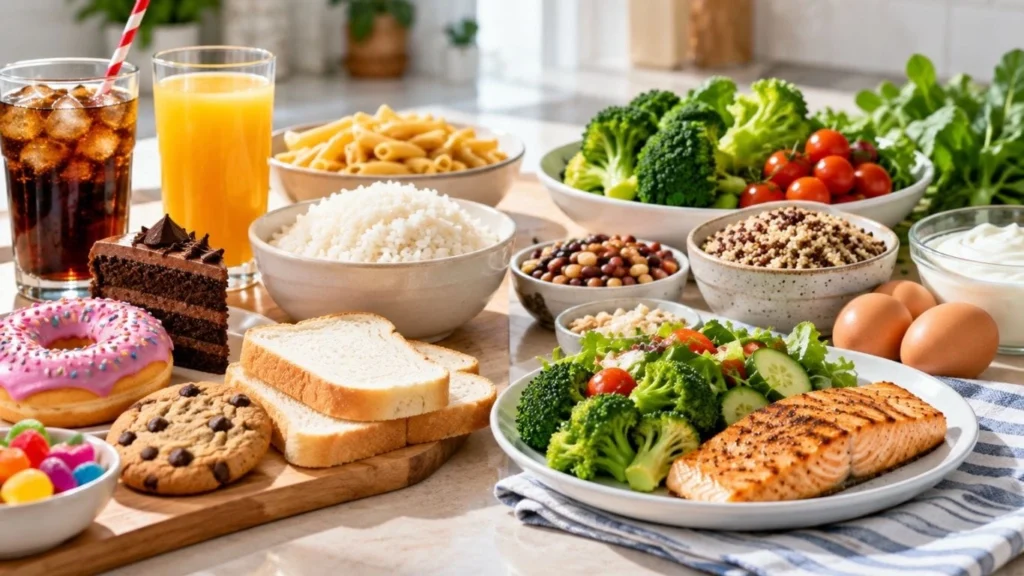
| Food choice | What to consider |
|---|---|
| Soda and fruit juice | Liquid carbohydrates can be absorbed quickly. |
| White bread and white rice | Portions and the rest of the meal influence the glucose response. |
| Cakes, cookies, and candy | Often contain added sugar and refined carbohydrates. |
| Beans, vegetables, and whole grains | Fiber can help slow digestion and support blood sugar management. |
| Eggs, fish, tofu, and unsweetened yogurt | Protein can help balance a meal when paired with carbohydrate foods. |
You do not necessarily need to eliminate carbohydrates. Pairing carbohydrate foods with protein, fiber, and healthy fats can slow digestion and affect how quickly blood glucose rises. Individual responses vary.
Source: CDC diabetes meal planning guidance.
How Portion Sizes and Meal Composition Affect Blood Sugar
Eating a large serving of rice, pasta, bread, or another carbohydrate-rich food can deliver more glucose-producing carbohydrates than a smaller serving.
Meal composition matters, too. For example, eating a large bowl of white rice on its own may affect blood sugar differently from eating a moderate serving with vegetables, beans, and a protein source.
Try these practical strategies:
- Pay attention to carbohydrate portions rather than focusing only on whether a food is healthy.
- Include nonstarchy vegetables and a suitable protein source in your meals.
- Choose higher-fiber carbohydrate foods more often.
- Compare your glucose readings after similar meals to understand your individual response.
The goal is to build balanced meals that fit your nutritional needs, not to remove every carbohydrate from your diet.
Daily Habits That May Affect Post-Meal Blood Sugar
Food is not the only factor that affects glucose. Everyday habits can influence blood sugar spikes after meals.
Physical activity: Sitting for long periods may contribute to less effective glucose management. A comfortable walk after a meal can help some people manage post-meal glucose.
Stress: Stress hormones can raise blood sugar, even when your meal has not changed.
Sleep: Too little sleep may make the body less sensitive to insulin.
Hydration: Dehydration can contribute to higher glucose readings.
Start with manageable changes, such as taking short walking breaks, keeping a consistent sleep schedule, and drinking water regularly. If you take insulin or medicines that can cause low blood sugar, ask your healthcare professional how to exercise safely.
Source: CDC: Things that can spike blood sugar.
How to Understand Your Blood Sugar Readings After Eating
Checking glucose before and after meals can help you identify patterns. Record what you ate, the portion size, your activity, and the time of each reading.
For many nonpregnant adults with diabetes, the American Diabetes Association suggests a general post-meal target of less than 180 mg/dL, measured 1–2 hours after the beginning of a meal. However, individual targets can differ.
One elevated reading does not explain the whole picture. Look for repeated patterns, including whether glucose rises after particular meals or remains elevated longer than expected.
Discuss recurring high readings with your healthcare professional. Do not change prescribed medication based on a single reading without appropriate medical guidance.
Source: American Diabetes Association: Checking blood sugar.
How to Reduce Blood Sugar Spikes After Meals
A few practical habits may help reduce large post-meal glucose rises:
- Build balanced meals: Combine suitable carbohydrate portions with protein and fiber-rich foods.
- Watch serving sizes: Avoid unintentionally eating large portions of carbohydrate-rich foods.
- Move after meals: Try a short, comfortable walk if it is safe for you.
- Track your readings: Compare similar meals and note recurring glucose patterns.
- Support healthy routines: Prioritize sleep, hydration, and stress management.
These steps can support blood sugar management, but they do not replace prescribed diabetes treatment.
Frequently Asked Questions
Why does blood sugar spike even after eating healthy food?
Healthy foods can still contain carbohydrates that raise blood glucose. Portion size, meal composition, insulin response, and individual metabolism all affect the result.
How long does blood sugar stay elevated after eating?
Blood sugar commonly rises during the first few hours after a meal. The timing and duration vary with the meal, activity, medications, and individual glucose regulation.
Does walking after eating help lower blood sugar?
Light walking after a meal can help some people reduce post-meal glucose levels. The effect varies, so monitor your response and follow any exercise precautions recommended by your healthcare professional.
Conclusion
Blood sugar spikes after eating are influenced by carbohydrate intake, portion sizes, meal composition, activity, stress, and sleep. Balanced meals, appropriate portions, and regular movement may help you manage post-meal glucose.
If your readings repeatedly exceed your personal target, discuss the pattern with your healthcare professional rather than relying on dietary changes alone.
Read Also: Supplements to Lower Blood Sugar Naturally
📚 Scientific References & Clinical Studies
- Asia Pac J Clin Nutr (PubMed): Effect of Cooling Cooked White Rice on Resistant Starch Content and Postprandial Glycemic Response.
- American Diabetes Association (ADA): Carbohydrate Quality, Resistant Starch, and Postprandial Glucose.
- Harvard T.H. Chan School of Public Health: Carbohydrates, Glycemic Index, and Metabolic Health.
⚕️ Medical Disclaimer:
The information provided on SuppVita is for educational and informational purposes only and does not substitute for professional medical advice, diagnosis, or personalized diabetes treatment. Always consult a qualified physician, endocrinologist, or certified diabetes care specialist before making changes to your diet, supplements, or medication regimen.
2 thoughts on “Why Does Blood Sugar Spike After Eating? Causes, Food and Daily Habits”