
Managing blood sugar doesn’t have to feel confusing or overwhelming. In this Blood Sugar Management Guide, we’ll break everything down in the simplest way possible—what raises your sugar, how you can control it daily, and what habits actually work. Whether your sugar rises suddenly, stays high in the morning, or fluctuates after meals, this guide will help you understand your body better. Think of it like a friendly conversation where someone explains things step by step so you can take control of your health without stress.
Understanding Blood Sugar & Why It Rises
Blood sugar is simply the amount of glucose in your bloodstream. Your body uses glucose for energy, but when it increases beyond a normal level, you start feeling tired, thirsty, irritated, or sometimes nothing at all—which is even more concerning. Most people don’t realize that sugar levels rise for small reasons like skipping meals, eating too quickly, stress, or even not sleeping properly. By understanding these patterns, you’ll know exactly what to fix.
What Is Blood Sugar? Basic Overview
Blood sugar is your body’s fuel. Every time you eat carbohydrates—like rice, roti, fruits, sweets—your body breaks them into glucose. This glucose then enters the bloodstream and provides energy. Insulin, a hormone produced by your pancreas, works like a key that helps glucose move into your cells. But when your body doesn’t make enough insulin or doesn’t use it properly, glucose stays in the blood. That’s when you experience high blood sugar. In this Blood Sugar Management Guide, we’re focusing on how to keep this balance steady, naturally and safely.
Common Reasons for Sudden High Blood Sugar
Sudden spikes can happen even if you think you’re doing everything right. Eating a high-carb meal, stress from work, dehydration, skipping medication, or emotional situations can trigger a rise. Sometimes, even a small thing like eating fruit on an empty stomach can increase glucose quickly. Lack of sleep also plays a huge role—just one poor night of sleep can raise sugar levels the next day. When you understand these triggers, you can avoid them and focus on habits that help lower blood sugar gently and consistently.
Morning Highs – Dawn Phenomenon Explained
If your sugar is high every morning, even without eating anything, don’t panic—this is very common. It’s called the Dawn Phenomenon. Early in the morning, your body releases hormones like cortisol to wake you up. These hormones push the liver to release stored glucose, which causes your sugar levels to rise naturally. The problem happens when insulin is not strong enough to manage this extra glucose. That’s why many people see higher readings after waking up. In our Blood Sugar Management Guide, we’ll also share simple morning routines that can control this rise.
How to Lower Blood Sugar — Daily Habits That Actually Work
Lowering sugar doesn’t always require big changes. Small and consistent habits work better than strict diets or sudden restrictions. The goal is to build a lifestyle that keeps your sugar steady throughout the day. These everyday habits can help you manage blood sugar naturally, and they are easy enough for anyone to follow. When you put these habits into practice, you’ll notice that your sugar becomes more predictable, your energy improves, and you feel more in control.
Simple Lifestyle Habits to Lower Blood Sugar Naturally
Start with the basics. Drink water frequently, eat on time, walk for at least 10 minutes after meals, and include more high-fiber foods like salads, oats, vegetables, and seeds. These habits help slow down how fast your body absorbs sugar. Another helpful technique is mindful eating—chewing slower and paying attention to your meals prevents overeating and sudden glucose jumps. This is one of the easiest ways to lower blood sugar naturally without strict diets or medications.
The 10–10–10 Rule for Better Glucose Control
The 10–10–10 rule is a simple technique that makes a big difference. It means:
10 minutes of walking after breakfast, 10 minutes after lunch, and 10 minutes after dinner.
That’s it. This small amount of movement helps your muscles use glucose effectively and keeps your sugar stable after meals. Many people who follow this routine see a noticeable drop in their numbers within a week. It’s practical, beginner-friendly, and highly effective.
Daily Routine for Balanced Blood Sugar Levels
A balanced day keeps your sugar in control. Start your morning with warm water or lemon water, eat a protein-rich breakfast, and include fiber in every meal. Keep your lunch simple, avoid heavy late-night dinners, and finish your last meal at least 2–3 hours before sleeping. Add short walks, stay hydrated, and keep stress in check with meditation or deep breathing. This daily routine supports your body and helps maintain stable sugar levels naturally, which is exactly the purpose of this Blood Sugar Management Guide.
Foods That Lower Blood Sugar (Diet Plan + Smart Meal Choices)
Choosing the right foods is one of the strongest tools in this Blood Sugar Management Guide. What you eat directly affects how quickly your glucose rises, how long it stays high, and how stable your energy feels throughout the day. By adding more fiber, choosing low-GI ingredients, and avoiding sugar-spiking foods at night, you can greatly improve your sugar control. These smart meal choices act like natural medicine and help lower blood sugar naturally, without intense restrictions.
Best High-Fiber Foods to Control Glucose
Fiber is your best friend when it comes to sugar control. Foods high in fiber slow down digestion, which means glucose enters your bloodstream more slowly and steadily. This helps avoid sudden spikes. Add foods like oats, chia seeds, flaxseeds, leafy greens, lentils, beans, broccoli, and apples to your meals. Even a bowl of salad before lunch or dinner can significantly support glucose control. High-fiber foods are one of the simplest ways to lower blood sugar naturally, and they fit perfectly into your everyday diet.
Low-GI Fruits & Vegetables for Stable Sugar Levels
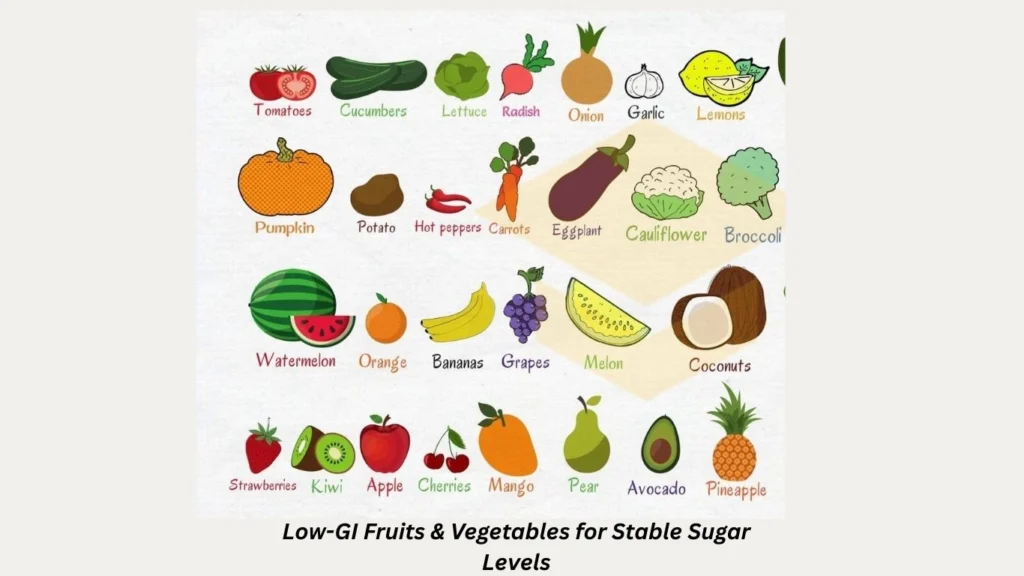
Low-GI fruits and vegetables help your blood sugar stay stable for longer. These include berries, apples, pears, oranges, guava, carrots, cucumbers, tomatoes, spinach, and cauliflower. Low-GI foods digest slowly and prevent glucose overload. If you’re someone who experiences sudden highs after eating fruit, switching to low-GI options can make a huge difference. In this Blood Sugar Management Guide, low-GI foods are a must-have because they support long-term sugar balance.
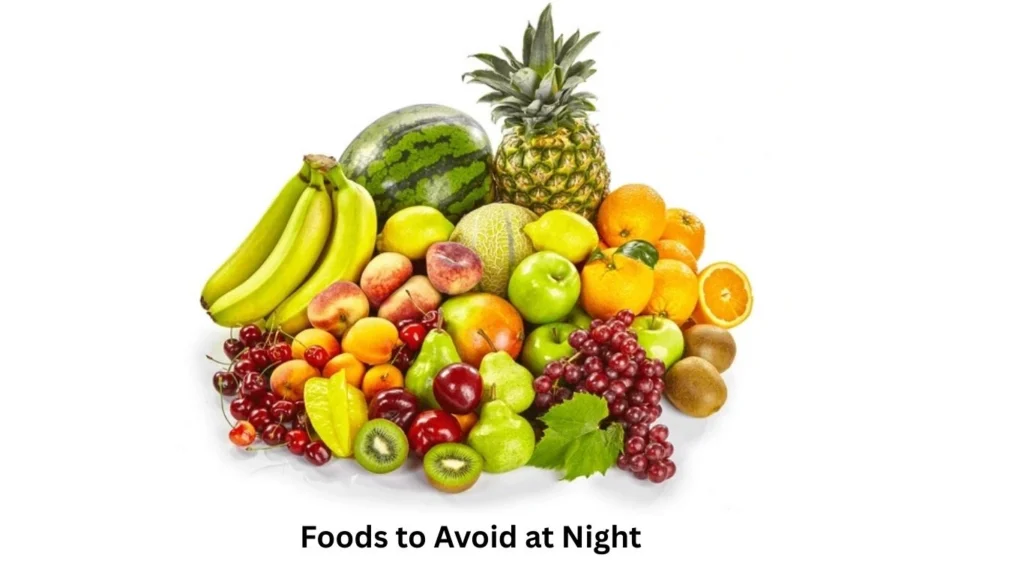
Foods to Avoid at Night (Prevent Overnight Spike)
Night-time spikes happen easily because your activity level drops, digestion slows down, and hormones shift. Avoid high-GI fruits like mango, grapes, ripe bananas, watermelon, and pineapple at night. Stay away from late-night snacks such as biscuits, sugary tea, chips, and leftover rice. These foods push your glucose up quickly and keep it high till morning. Instead, choose lighter, low-carb options that digest slowly.
Blood Sugar Friendly Breakfast Ideas
Your breakfast sets the tone for the whole day. Choose meals that balance protein, fiber, and healthy fats. Good options include vegetable oats, boiled eggs with multigrain toast, chia pudding, Greek yogurt with nuts, moong dal chilla, or millet upma. These meals help lower blood sugar in the morning and prevent mid-day crashes. A stable morning routine is a core part of your Blood Sugar Management Guide.
Emergency Blood Sugar Lowering Methods at Home
When your sugar rises suddenly, you don’t always have time to think. That’s where emergency techniques help. These methods are simple, quick, and practical, and they can help you control glucose at home without panic. Your supporting articles like How to Lower Blood Sugar Fast at Home and Fastest Way to Lower Blood Sugar Without Insulin fit perfectly into this section. Having a clear emergency plan helps you feel safe and confident.
Fast Ways to Lower Blood Sugar (Without Insulin)
If your sugar shoots up after a heavy meal, start with hydration. Drink 1–2 glasses of water to help your kidneys flush out excess glucose. Then take a 15–20 minute walk—this is one of the fastest natural ways to lower glucose. You can also eat a small high-fiber snack like chia water or a tablespoon of flaxseed mixed in yogurt. These quick methods often bring glucose down gently without medication.
Immediate Actions When Sugar Crosses 250+
If your reading jumps above 250 mg/dL, stay calm. Avoid eating anything sugary or high-carb. Drink plenty of water, and take a light walk if you feel stable. Check your glucose again after 20–30 minutes. If levels keep rising, follow the emergency steps shared in the supporting article Emergency Guide: How to Lower Blood Sugar Immediately at Home. Monitoring your symptoms is important here.
Signs You Need Urgent Medical Help
While natural methods work in most situations, there are times when you should not delay seeking help. If your sugar stays above 300 mg/dL for hours, if you feel confused, extremely thirsty, breathless, or experience vomiting—these are red flags. This Blood Sugar Management Guide recommends getting medical care immediately when symptoms do not improve with home methods.
Natural Remedies & Supplements That Lower Blood Sugar Naturally
Natural remedies are powerful and pair well with diet and lifestyle changes. The supporting article 15 Natural Ways to Lower Blood Sugar connects perfectly here. These remedies help your body handle glucose better and improve insulin function over time. They don’t replace medication but support your long-term sugar control.
Best Herbal Remedies (Fenugreek, Cinnamon, Berberine)
Many herbs are known for their glucose-friendly properties. Fenugreek seeds (methi) slow down carbohydrate absorption. Cinnamon improves insulin sensitivity. Berberine is one of the most effective natural compounds for glucose support, working almost like mild medication. These remedies form an essential part of natural sugar management.
Evidence-Based Supplements for Glucose Support
Supplements like magnesium, chromium, alpha-lipoic acid, berberine, and bitter melon extract help lower blood sugar naturally when used correctly. Always take them with meals and use only evidence-based products. This Blood Sugar Management Guide encourages pairing supplements with lifestyle habits for the best results.
Apple Cider Vinegar, Lemon Water & Other Home Drinks
Simple drinks can also support blood sugar control. Apple cider vinegar before meals helps reduce glucose spikes. Lemon water improves hydration and digestion. Warm water with cinnamon or fenugreek seeds can also help. These are safe, everyday options for managing sugar naturally.
Exercise & Movement for Better Blood Sugar Management

Movement is one of the most powerful tools in this entire Blood Sugar Management Guide. Even small activities during the day make glucose control easier and more stable. Exercise helps your muscles use extra glucose and improves insulin sensitivity.
10-Minute Post–Meal Walking Technique
This is one of the simplest strategies to lower blood sugar after meals. Just 10 minutes of slow walking after breakfast, lunch, and dinner helps your body manage glucose naturally. It’s easy, quick, and works like magic for most people.
Strength Training vs Cardio — Best for Blood Sugar
Strength training builds muscle, and muscles absorb glucose faster. Cardio improves insulin sensitivity and reduces fat around your liver and abdomen. A combination of both gives the best results. Even 15–20 minutes a day makes a huge difference.
Desk Exercises for Working People
If you sit for long hours, small movements help a lot. Try ankle rotations, seated marches, shoulder rolls, and standing stretches every hour. These micro-movements prevent glucose buildup in the bloodstream.
Foods That Raise Blood Sugar at Night (Avoid These)
Night-time eating affects sugar much more than daytime eating. In this Blood Sugar Management Guide, avoiding certain foods at night is essential for stable morning readings.
High-GI Fruits That Spike Glucose
Avoid fruits like mango, grapes, ripe bananas, watermelon, pineapple, and lychee at night. They release sugar too quickly and can cause overnight spikes.
Late-Night Snacks to Avoid Completely
Stay away from sugary tea, biscuits, chocolate, chips, instant noodles, and rice dishes. These foods keep your glucose high until morning and disturb sleep.
Safe Alternatives for Night-Time Cravings
If you feel hungry at night, choose safe options like nuts, roasted chana, yogurt, or cucumber slices. These help you sleep better without raising your sugar.
1️⃣ What are the most common reasons for sudden blood sugar spikes?
Sudden spikes usually happen due to stress, high-carb meals, poor sleep, dehydration, or skipping meals.
2️⃣ Why is blood sugar often high in the morning even without eating?
Morning high sugar is commonly caused by the Dawn Phenomenon, where early-morning hormones release stored glucose.
3️⃣ Which daily habits help lower blood sugar naturally?
Post-meal walking, proper hydration, fiber-rich meals, stress control, and regular sleep help stabilize blood sugar.
4️⃣ What foods should be avoided at night to prevent sugar spikes?
High-GI fruits, sugary snacks, white rice, biscuits, and late-night processed foods should be avoided.
5️⃣ Can natural supplements support healthy blood sugar levels?
Yes, evidence-based supplements like berberine, cinnamon, magnesium, and chromium can support glucose control when used correctly.
Disclaimer
This information is for educational purposes only and is not a substitute for medical advice. Always consult a healthcare professional before making changes to your diet, supplements, or treatment plan.
5 thoughts on “Blood Sugar Management Guide (Complete Diet, Habits, Supplements & Emergency Methods)”