What Are Type 1 Diabetes Symptoms? (Simple, Real-Life Explanation)
Okay… so let’s imagine your body is like a very organized city. And guess who delivers energy (glucose) to every house (your cells)?
Insulin – the delivery guy.
Now in Type 1 Diabetes Symptoms, the immune system which is supposed to protect you suddenly thinks this delivery guy is a dangerous criminal and attacks him.
Result? No insulin. No delivery. Sugar gets stuck in the bloodstream instead of entering the cells. That’s Type 1 Diabetes Symptoms in the simplest possible language. A lot of people confuse Type 1 with Type 2 and say things like:
Oh, maybe you ate too much sugar. Nope. Wrong. Not even close.
Type 1 Diabetes Symptoms aren’t caused by soda, chocolate, or pizza. It’s an autoimmune condition — which means the immune system gets confused and destroys the insulin-making cells in the pancreas. It can happen to kids, teens, or adults — completely randomly. No warning. No “Are you ready?” popup. Nothing. Since the body stops producing insulin completely, people with Type 1 Diabetes Symptoms must depend on insulin injections or a pump to manage blood sugar. And yes sometimes it feels like full-time science, math, and emotional support class all at once: counting carbs, checking sugar, adjusting meals, planning routines… and repeating it every single day. But here’s the powerful part: With the right care, and insulin management, people with Type 1 diabetes symptoms can live a long, healthy, active, absolutely normal life. They can play sports, travel, build careers, fall in love, have families and everything. Type 1 diabetes doesn’t define a person. It just means their pancreas outsourced its job
…and now technology, knowledge, and a little discipline handle the work.
Type 1 Diabetes Symptoms You Should Not Ignore
Let’s be honest — most people ignore early Type 1 diabetes symptoms because they look like “normal everyday issues.” Feeling thirsty? “Maybe I’m dehydrated.” Feeling tired? “Probably didn’t sleep well.” Losing weight? “Good… I needed that anyway.”
But here’s the truth:
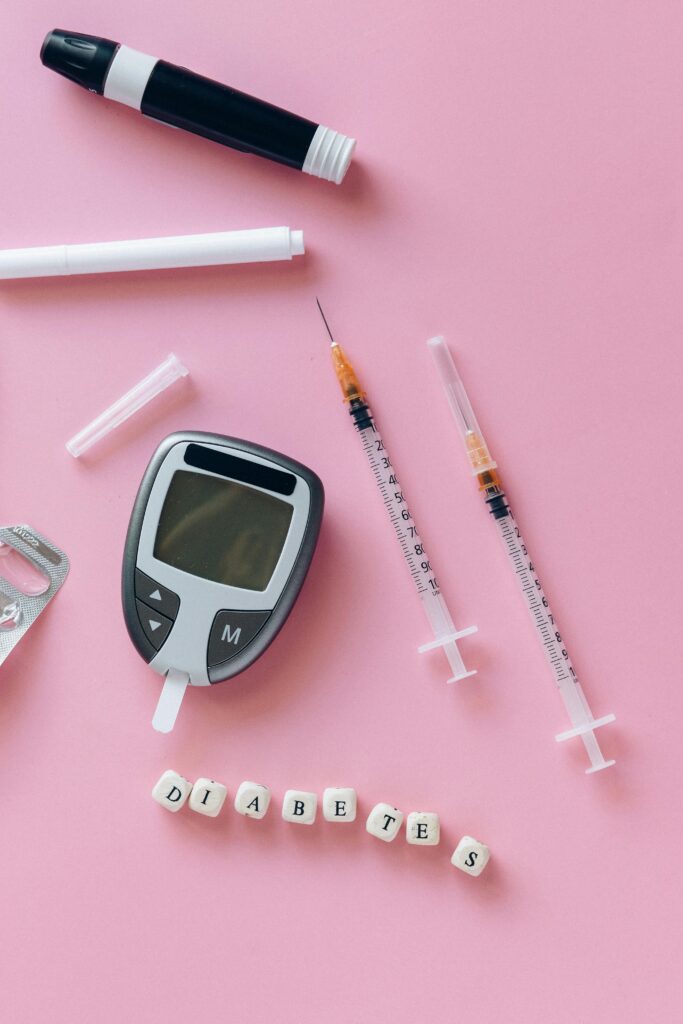
If your body isn’t making insulin, it starts sending warning signals and those signals should never be ignored.
Let’s break them down in a clear and simple way.
Early Symptoms of Type 1 Diabetes
These are the first signs your body gives when blood sugar is consistently high.
Extreme Thirst (Polydipsia)
You drink water… and then more water… and then even more. But your mouth still feels like a desert. This happens because your body is trying to flush out extra sugar through urine.
Frequent Urination (Especially at Night)
If you’re waking up multiple times at night just to pee, your body may be working overtime.
Unusual Weight Loss (Even When Eating Normally)
This is one of the biggest red flags. When there’s no insulin, the body can’t use food for energy so it starts burning muscle and fat.
Fatigue and Low Energy
Your cells aren’t getting fuel. Imagine having a phone that looks fully charged but shuts down after two minutes. That’s your body without insulin.
Blurred Vision
High blood sugar can cause the eye lens to swell making your vision suddenly go fuzzy.
Severe or Late-Stage Symptoms
If early signs are ignored, Type 1 diabetes can escalate into serious symptoms quickly sometimes within weeks.
Nausea and Vomiting
This happens when the body makes ketones (acidic toxins) as it burns fat.
Shortness of Breath or Rapid Breathing
Your body is trying to correct the imbalance caused by high ketones.
Strong Fruity Breath Smell
It may smell like nail-polish remover — this is a classic sign of Diabetic Ketoacidosis (DKA).
Confusion or Difficulty Concentrating
Very high glucose can affect the brain and nervous system. If you notice these symptoms, it’s an emergency. DKA requires immediate medical attention.
Symptoms in Adults vs. Children
Type 1 diabetes affects both but symptoms can show up differently.
Children & Teens
- Faster weight loss
- Increased irritability or mood swings
- Bedwetting (especially if the child was previously dry at night)
- Extreme hunger all the time
Kids often develop Type 1 diabetes symptoms suddenly sometimes within days.
Adults
- Often misdiagnosed as Type 2 diabetes at first
- Fatigue and vision changes may be more noticeable
- Weight loss happens but may not be as rapid as children
Adults sometimes ignore their symptoms longer because they blame stress, work, or aging.
Type 1 diabetes symptoms are the body trying to communicate:
“Hey, something is wrong please pay attention.”
Catching these signs early can prevent complications and help someone begin the right treatment sooner. And remember Type 1 diabetes symptoms is not anyone’s fault. It’s not caused by sugar, lifestyle, or weight.
It’s an autoimmune condition and with the right knowledge, support, and care, people with Type 1 can live full, happy, powerful lives.
What Causes Type 1 Diabetes Symptoms? (Real Scientific Reason)
Let’s get something straight Type 1 diabetes symptoms doesn’t happen because someone ate too much sugar, skipped workouts, or lived an unhealthy lifestyle. Nope. That’s a myth people really need to stop repeating. So what causes Type 1 diabetes symptoms?
The simplest explanation:
The immune system gets confused and accidentally destroys the insulin-producing beta cells in the pancreas.
Yes… your own body attacks itself. Strange, but true. Let’s break this into pieces so it actually makes sense.
Autoimmune Response Explanation
This is the main reason. In Type 1 diabetes symptoms, the immune system mistakes insulin-producing cells (beta cells) as harmful like viruses or bacteria — and attacks them. Think of it like an overprotective guard dog biting the homeowner instead of the thief. Once those cells are gone, the body stops producing insulin permanently. That’s why people with Type 1 diabetes need external insulin injections or pumps every day. Researchers are still studying why the immune system behaves this way, but what we know is:
- A virus may trigger it
- The immune system misfires
- The pancreas slowly stops making insulin
It’s not sudden, it’s a gradual destruction that finally shows noticeable symptoms.
Genetic Factors
There’s also a genetic angle but not in the way people think. Type 1 diabetes is not guaranteed even if someone carries the gene.
It’s more like a possibility, not a destiny. Some people have certain genes (HLA genes) that make their immune system more likely to react in the wrong way.
But remember:
- Having the gene doesn’t mean you will get Type 1 diabetes.
- Not having the gene doesn’t mean you’re safe forever.
It’s a combination of genetics + environmental triggers.
Family History & Risk Level
Unlike Type 2 diabetes, family history in Type 1 diabetes plays a smaller but noticeable role.
Approximate risk stats:
- If mother has Type 1 → risk ~2–3%
- If father has Type 1 → risk ~6–8%
- If both parents have Type 1 → risk increases up to 25%
- If a sibling has Type 1 → risk ~5%
So yes family history increases the chances, but it does NOT guarantee the condition.
Type 1 Diabetes Diagnosis & Tests (Step-by-Step Guide)
Type 1 diabetes diagnosis is not guesswork.
Doctors don’t look at symptoms and say:
“Hmm… looks like diabetes.” No, it requires proper testing. Here’s how diagnosis typically happens step-by-step:
Blood Sugar Test (Fasting, Post-Meal & Random)
These tests check how high blood sugar is.
| Test Type | Diabetes Range |
|---|---|
| Fasting Glucose (FBS) | ≥ 126 mg/dL |
| Post-Meal (PP) Glucose | ≥ 200 mg/dL |
| Random Glucose Test | ≥ 200 mg/dL + symptoms |
These tests show high glucose but they don’t explain why it’s high. So more tests are needed.
A1C Test (Long-Term Blood Sugar Measurement)
This test tells how much sugar has been attached to the blood cells over the past 2–3 months.
Result ≥ 6.5% = diabetes
For Type 1 diabetes diagnosis, A1C helps confirm long-term imbalance — not just a temporary spike.
Autoantibody & C-Peptide Tests
This is the real confirmation stage, because it checks whether the immune system is attacking the pancreas.
- Autoantibody test → Detects immune system attack
- C-peptide test → Measures how much insulin the pancreas still makes
Low or almost zero C-peptide + positive autoantibodies = Confirmed Type 1 diabetes.
Can Type 1 Diabetes Reversible Naturally? (Truth Explained)
If you’ve ever Googled can Type 1 diabetes be reversed naturally, you probably saw hundreds of confusing answers — some say “yes,” some say “no,” and some websites promise miracle herbs that will make the pancreas reboot like a phone restart.
Let’s clear the confusion with honesty.
Reality — Why Complete Reversal Is Rare
Here’s the real scientific truth:
Type 1 diabetes happens because the immune system permanently damages the insulin-producing beta cells in the pancreas.
Once those cells are gone, the body can’t naturally produce insulin anymore. So is complete reversal possible? Right now with today’s medical science complete reversal is extremely rare. Not impossible… but uncommon. There are some rare cases where people experience a temporary “honeymoon phase,” where the body still makes a tiny amount of insulin — but that phase doesn’t last forever. So no Type 1 diabetes isn’t something you wake up one day and say:
“Okay body, let’s stop the diabetes now.” But here’s the good part -there are many things that can be improved naturally.
What CAN Be Improved Naturally (Insulin Sensitivity)
Even if Type 1 diabetes symptoms cannot be fully reversed, the body can respond BETTER to insulin both natural (if any) and injected. This is called insulin sensitivity.
Improving insulin sensitivity helps:
- Lower insulin resistance
- Reduce sugar spikes
- Improve energy levels
- Stabilize mood and hunger
- Reduce long-term complications
So you may still need insulin but your body uses it more efficiently, meaning:
- lower doses
- better blood sugar control
- fewer fluctuations
And that is a huge win.
Best Diet + Exercise Routine to Stabilize Sugar
Let’s keep it super simple. Living with Type 1 diabetes becomes easier when food choices and lifestyle support insulin, not fight it.
Here’s what helps:
Low–glycemic diet
Foods that release sugar slowly — like whole grains, oats, lentils, berries, nuts, chia seeds, avocado.
Avoid spikes
Sugary drinks, white bread, processed carbs, and fast food cause chaos.
Light to moderate exercise
Walking after meals, strength training twice a week, yoga, or cycling — all help muscles absorb glucose better.
Hydration + sleep
Poor sleep and dehydration can raise blood sugar so routine matters.
These habits don’t remove diabetes but they make diabetes liveable instead of overwhelming.
✔ For more common symptoms, refer: Diabetes Symptoms FAQs
Type 1 Diabetes in Children (Why It’s So Common Now)
Type 1 diabetes in children has become surprisingly common in the last few years — and honestly, many parents don’t even recognize the Type 1 diabetes symptoms until things get serious. The exact cause isn’t fully known, but research suggests genetics, immune imbalance, stress, modern food habits, and viral triggers may play a role.
Symptoms in Kids
Signs of Type 1 diabetes in children can appear suddenly and may include:
- Frequent urination (especially at night)
- Sudden hunger or increased appetite
- Constant thirst
- Unexplained weight loss
- Fatigue or mood changes
- Fruity breath smell (late-stage)
If a child suddenly becomes tired, irritable, or starts losing weight despite eating normally, it’s worth checking their blood sugar levels.
Management Tips for Parents
Managing Type 1 diabetes in children requires consistency, patience, and awareness. A few helpful steps:
- Help them follow regular blood glucose monitoring
- Maintain consistent meal timing
- Teach them basic carb counting
- Encourage gentle daily exercise
- Keep emergency snacks for hypoglycemia
Emotional & Lifestyle Support
Kids don’t just need medical care, they need emotional reassurance. Tell them: “Diabetes doesn’t define you — it’s just something we manage.” Joining support groups or connecting with other families can make children feel confident, not restricted.
Type 1 Diabetes Myths You Should Stop Believing
“Only sugar causes diabetes.” No — Type 1 diabetes isn’t caused by eating sweets. It’s an autoimmune condition where the pancreas stops making insulin. “It can be cured quickly.”
There’s currently no quick cure for Type 1 diabetes. But it can be managed very well with proper lifestyle, insulin therapy, and awareness. “Kids can’t live a normal life.”
Absolutely false. Kids with Type 1 diabetes can live a full, happy, active, long life — with the right care, education, and routine.
Daily Routine for Type 1 Diabetes (Healthy Living Plan)
A balanced routine can make blood sugar levels much easier to manage.
- Morning Routine
- Check fasting glucose
- Hydrate with water
- Light morning movement (walking, stretching, yoga)
- Breakfast with protein + healthy carbs
- Meal Timing & Carb Counting
Instead of large meals, smaller timely meals help maintain stable blood glucose. Learning to count carbs is extremely helpful in predicting insulin needs and avoiding spikes.
Supplements, Lifestyle & Stress Management
Some people explore natural support for metabolism and insulin response.
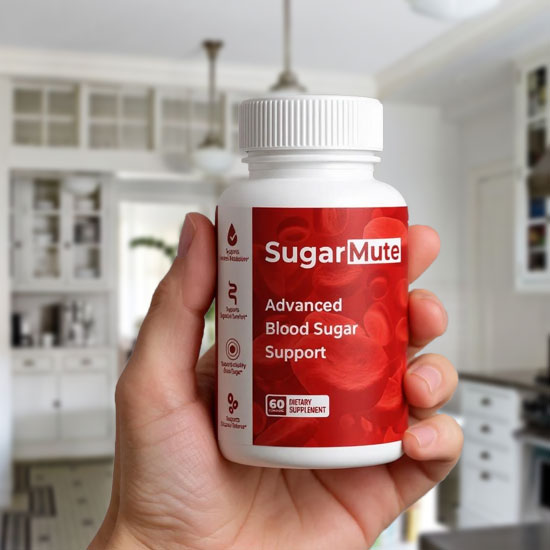
For example 👉“Some people use herbal support like SugarMute to help improve metabolism and insulin sensitivity — but remember, it’s a part of a lifestyle, not a shortcut.” Stress management, proper sleep, hydration, and moderate exercise also play a huge role in better glucose balance.
Life Expectancy & Quality of Life with Type 1 Diabetes
Can a Person Live Long?
Yes — with the right management, someone with Type 1 diabetes can live a long, healthy life. Modern insulin therapy, better glucose monitoring, and improved awareness have changed everything.
Success Stories
There are countless athletes, doctors, CEOs, mothers, and even Olympians living successfully with Type 1 diabetes. It’s proof that with consistency, care, and mindset — life doesn’t slow down.
Practical Positivity Approach
Instead of thinking:
❌ “Why me?”
Try thinking:
✔ “How can I handle this smartly and confidently?”
A positive routine builds confidence and control. Type 1 diabetes may feel overwhelming at first — but with proper awareness, structured daily habits, and consistent care, life becomes easier and manageable.
- Learn the symptoms
- Build a simple routine
- Stay consistent with monitoring
- Support emotional well-being
Also Resd: SugarMute Dosage and Side Effects Review: Safe or Risky for Blood Sugar Control
Life Expectancy & Quality of Life With Type 1 Diabetes
Let’s clear one thing right away:
Having Type 1 diabetes does NOT mean life gets shorter or limited. With today’s medical advancements, continuous glucose monitoring, insulin pumps, smart diet planning, and awareness — people with Type 1 diabetes can live a long, normal, healthy, active life.
Actually, research shows that with good control, many people with Type 1 often end up being healthier and more disciplined than people without diabetes — because they pay attention to lifestyle, food, and habits.
Let’s break it down:
Can a Person With Type 1 Diabetes Live Long?
Yes — absolutely. Earlier (years back), lack of medical knowledge and late diagnosis reduced life expectancy — but today, things have changed dramatically. With consistent insulin therapy, regular monitoring, and a supportive routine, people with Type 1 can:
- Live into their late 70s, 80s, or even 90s
- Stay physically active
- Travel
- Have careers, families, children, and a completely fulfilling life
The key is not perfection — the key is consistency. Even small, repeated healthy habits make a huge difference over time.
Success Stories
There are countless inspiring examples:
- Olympians with Type 1 diabetes
- CEOs and business leaders managing companies globally
- Celebrities, artists, and public figures living confidently
- Athletes running marathons, weight training, and competing
These people prove one simple truth:
Type 1 diabetes is something you manage, not something that stops your life.
Practical Positivity Approach
If you’re living with Type 1 diabetes, mindset matters.
Instead of thinking:
- This is too hard.
- Why did this happen to me?
Shift the thoughts to:
- I can manage this step by step.
- My health is in my control.
- My body needs support and I’m giving it.
This mindset builds resilience, confidence, and emotional strength. You’re not fragile you’re aware, disciplined, and empowered.
Final Conclusion
Type 1 diabetes may feel overwhelming in the beginning symptoms, insulin, diet, numbers, monitoring it’s a lot. But with time, knowledge, and practice, it becomes a routine, not a restriction.
Here’s the simplified truth:
- Type 1 diabetes is not your fault.
- It’s not caused by eating sweets.
- It’s an autoimmune condition.
- And yes it can be managed beautifully.
With the right care:
- You can live long
- You can stay healthy
- You can live fully
And if you are someone who wants to explore natural ways to support blood sugar balance along with insulin, diet, and lifestyle you can also research herbal formulas like SugarMute as an option. It’s not a cure — but for some people, it helps with insulin sensitivity, cravings, blood sugar spikes, and metabolism support.
Frequently Asked Questions (FAQ)
Q1: What are the first signs of Type 1 diabetes?
Early signs include extreme thirst, frequent urination, sudden weight loss, constant hunger, blurred vision, and unusual fatigue. If these symptoms appear suddenly, a blood sugar test is recommended.
Q2: Is Type 1 diabetes symptoms genetic?
Not always. Genetics can increase the risk, but Type 1 diabetes symptoms can also occur without any family history. It’s a mix of genetics and environmental triggers.
Q3: Can Type 1 diabetes be reversed naturally?
Right now, medical science says complete reversal is rare. But insulin sensitivity and blood sugar stability can improve naturally through lifestyle, diet, exercise, and routine.
Q4: Can children with Type 1 diabetes live a normal life?
Yes — absolutely. With support, routine, and awareness, kids with Type 1 diabetes can play, study, travel, do sports, and live a full, happy life.
Q5: Can supplements help with Type 1 diabetes management?
Supplements do not replace insulin — but some people notice better blood sugar stability and reduced fluctuations with herbal support.
For example, SugarMute contains natural ingredients that may help improve insulin response, metabolism, and glucose control. It’s not a cure — but can be explored as part of a supportive lifestyle.
Q6: Is SugarMute safe for long-term use?
SugarMute is made with natural, research-backed ingredients. Most users take it daily along with meals. The official website provides ingredient details, safety guidelines, and genuine user reviews — so anyone interested can make an informed decision.
Disclaimer
The content on this page is provided for informational purposes only and should not be considered medical or professional advice. Individual experiences with SugarMute may vary based on health condition, lifestyle, age, and other personal factors. Always consult a licensed healthcare provider before using any dietary supplement or making changes to your treatment plan.
Some informational points may reference publicly available sources such as:
- CDC (Centers for Disease Control and Prevention)
- NIH (National Institutes of Health)
- American Diabetes Association
Your posts are so beautifully written and always leave me feeling inspired and empowered Thank you for using your talents to make a positive impact
thanks