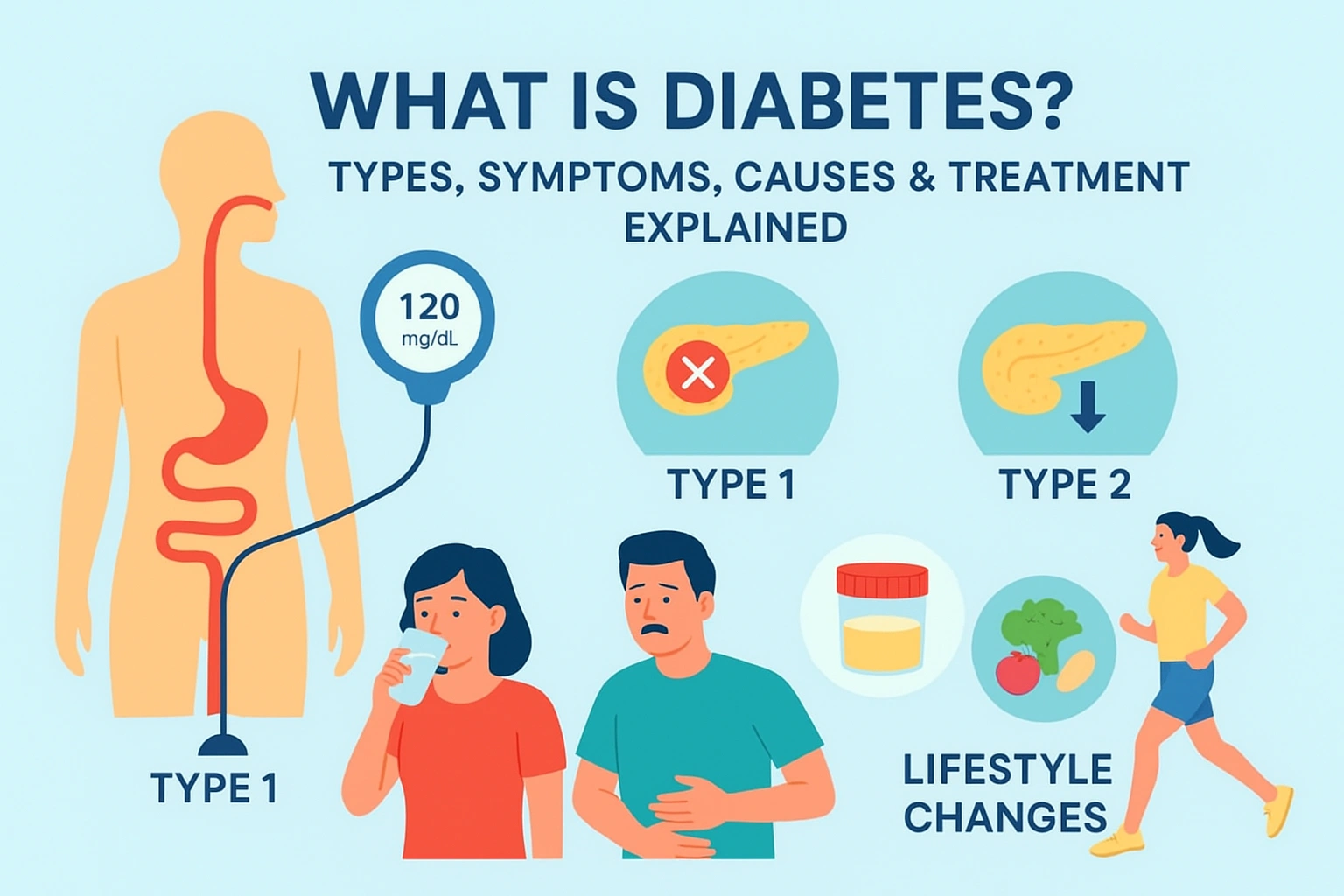
Introduction
Have you ever wondered why so many people today are struggling with diabetes or high blood sugar levels, even if they don’t eat a lot of sweets? A few years ago, diabetes was seen mostly in older individuals, but now even young adults, teenagers, and sometimes kids are being diagnosed. This rise is not just random. It’s a clear signal that our modern lifestyle is affecting our health faster than we realize. From processed food to long sitting hours, poor sleep, excess stress, and lack of physical activity — everything is contributing to unstable glucose levels. And once blood sugar levels start rising consistently, the risk of developing prediabetes and Type 2 diabetes becomes much higher.
But here’s the encouraging part — diabetes management doesn’t have to feel overwhelming. With the right approach, many people are successfully balancing their glucose levels using a combination of healthy eating, lifestyle changes, and in some cases, natural methods to support blood sugar control.
So whether you’re here to understand diabetes better, explore ways to prevent diabetes naturally, or support yourself or someone you love—this guide will give you clarity, confidence, and practical steps.
Let’s begin with the most basic question:
What Is Diabetes? (Simple & Clear Explanation)
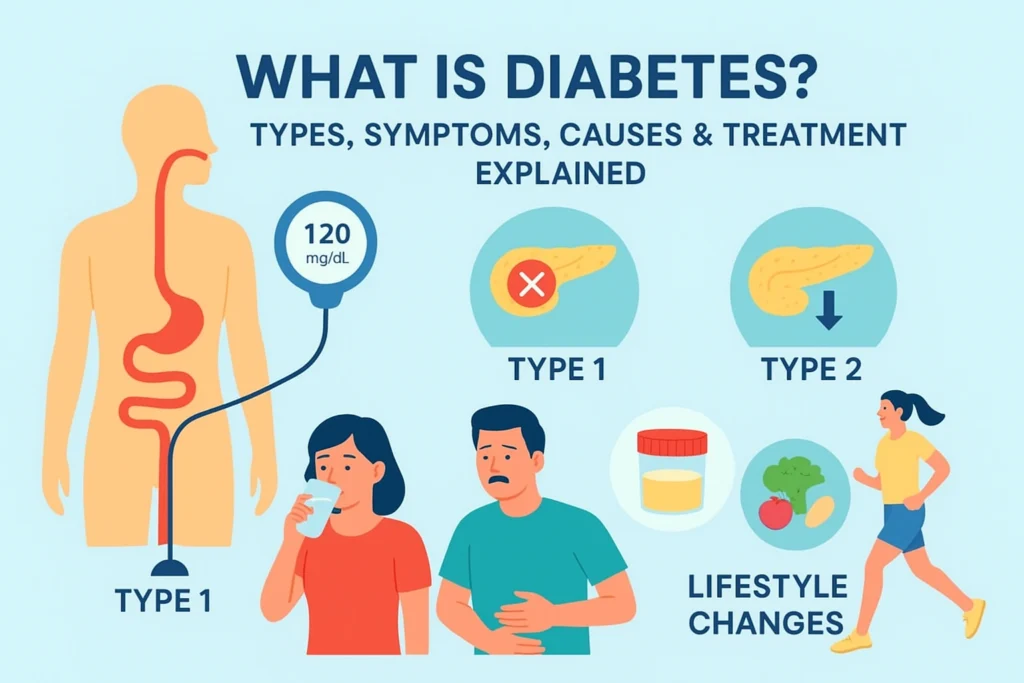
Diabetes is a chronic metabolic disorder in which the body struggles to regulate blood sugar (glucose) levels properly. Whenever you eat food — especially carbohydrates — your body breaks it down into glucose, which enters the bloodstream. This glucose acts like fuel and gives energy to your cells. But to carry this glucose from the blood into the cells, the body needs a hormone called insulin, which is produced by the pancreas.
In diabetes, this process doesn’t work the way it should. This happens due to one or more of the following reasons:
- The body doesn’t produce enough insulin
- The body cannot use insulin properly (called insulin resistance)
- Or sometimes, both problems occur together
When insulin doesn’t work efficiently, glucose stays in the bloodstream instead of being used by the cells — leading to high blood sugar, also known as hyperglycemia.
👉 In simple words:
Diabetes happens when the body cannot manage insulin properly, causing blood sugar levels to stay high.
If high glucose levels remain uncontrolled for a long time, they can damage important organs like the heart, kidneys, nerves, eyes, and blood vessels. That’s why early awareness, testing, and proper lifestyle changes are essential.
Normal Blood Sugar Levels Chart
| Condition | Fasting Blood Sugar (mg/dL) | After Meal (2 Hours) | A1C % |
|---|
| Normal | 70–99 mg/dL | Less than 140 mg/dL | Below 5.7% |
| Prediabetes | 100–125 mg/dL | 140–199 mg/dL | 5.7% – 6.4% |
| Diabetes | 126 mg/dL or above | 200 mg/dL or above | 6.5% or higher |
How Does Blood Sugar Work in the Body? (Simple Breakdown)
To understand diabetes, it’s important to know how blood sugar regulation normally works inside the body. When you eat food — especially carbohydrates like bread, rice, pasta, fruits, or sweets — the body converts it into glucose. This glucose enters the bloodstream and becomes the main source of energy for your cells. But glucose alone cannot enter cells. The body needs a key — and that key is insulin. The pancreas, a small gland located behind the stomach, produces this insulin through special cells called beta cells.
Here’s how the process normally works:
1. You eat food
2. Glucose levels rise in the blood
3. The pancreas releases insulin
4. Insulin unlocks cells and allows glucose to enter
5. Glucose is used as energy (or stored for later)
This process is known as glucose metabolism. But when something goes wrong — such as the pancreas not making enough insulin, or the cells not responding to insulin — glucose remains in the bloodstream, leading to high blood sugar.
👉 This is where diabetes begins.
Types of Diabetes (Type 1 vs Type 2 vs Prediabetes)
Diabetes is not the same for everyone — there are different types depending on the cause and how the body handles insulin.
Let’s break them down clearly.
What Is Type 1 Diabetes?
Type 1 diabetes is an autoimmune disorder, meaning the body’s immune system mistakenly attacks and destroys its own beta cells in the pancreas. Because of this, the body makes little to no insulin.
People with Type 1 diabetes are insulin dependent, meaning they must take insulin daily to survive.
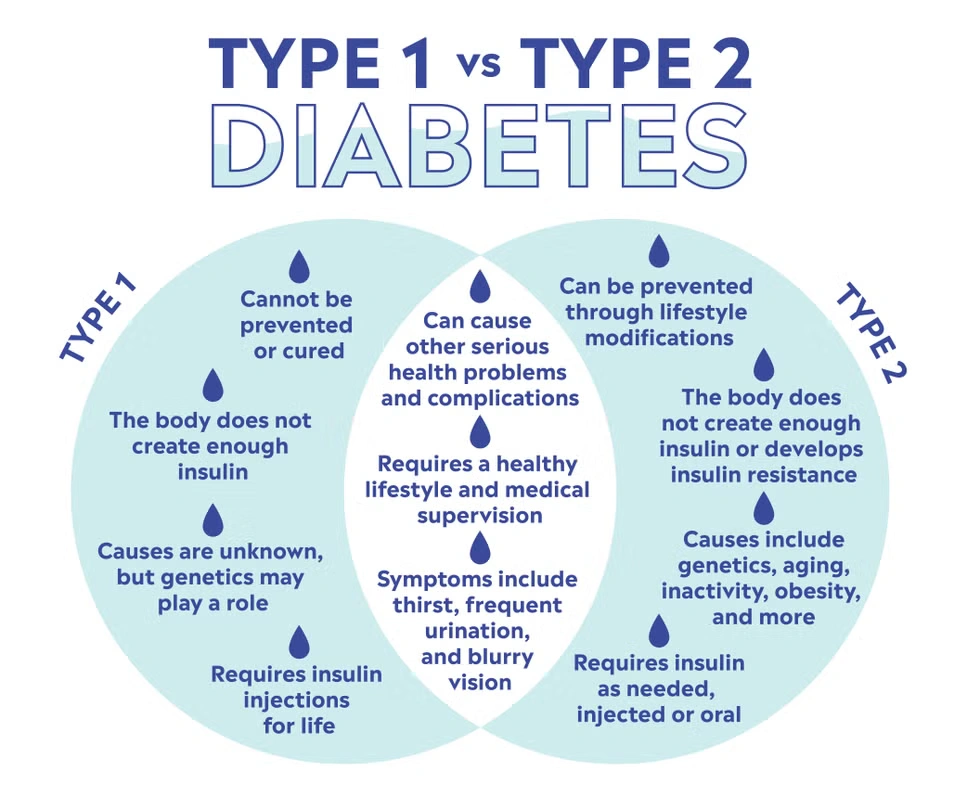
👉 What Causes Type 1 Diabetes?
Although the exact cause isn’t fully understood, experts believe it may be related to:
- Genetics
- Autoimmune response
- Viral infections
- Family history
👉 Symptoms of Type 1 Diabetes
- Common signs include:
- Sudden weight loss
- Extreme thirst
- Frequent urination
- Blurred vision
- Fatigue
- Increased hunger
Type 1 usually appears in childhood, teens, or young adults — but it can develop at any age.
✔ Want to learn specific symptoms of Type 1 only? Read: Type 1 Diabetes Symptoms Guide.
What Is Type 2 Diabetes?
Type 2 diabetes is the most common form—about 90–95% of people with diabetes have this type.
In this condition, the body produces insulin, but the cells do not respond to it properly — a problem called insulin resistance.
Over time, the pancreas cannot keep up with the demand and blood sugar levels rise.
👉 What Causes Type 2 Diabetes?
- Major contributing factors include:
- Obesity or excess body weight
- Sedentary lifestyle
- Family history of diabetes
- Poor eating habits
- Hormonal imbalance
- Aging
👉 Risk Factors of Type 2 Diabetes
- You may be at higher risk if you:
- Have belly fat or metabolic syndrome
- Have high blood pressure or high cholesterol
- Are physically inactive
- Experience chronic stress
- Have a family history of Type 2 diabetes
Prediabetes — The Warning Stage
Prediabetes is the stage where blood sugar levels are higher than normal but not high enough to be considered diabetes.
This is the body’s warning signal.
If not managed, prediabetes can progress into Type 2 diabetes — but the good news is, at this stage diabetes can often be prevented or reversed with lifestyle changes.
👉 Early Warning Signs of Diabetes (Prediabetes Symptoms)
Symptoms are often mild or unnoticed, but may include:
- Constant tiredness
- Weight gain (especially belly fat)
- Increased thirst
- Brain fog
- Sugar cravings
- Slow metabolism
👉 Prediabetes Meaning in Simple Words:
Your blood sugar is rising — but there is still time to take control.
Early Signs & Symptoms of Diabetes You Should Not Ignore
Many people live with diabetes for months or even years without knowing it. The body sends signals — but they are often ignored because they appear “normal.”
If you experience more than 2–3 of the following early diabetes symptoms, it may be time to get your blood sugar tested.
Common Warning Signs of High Blood Sugar
- Frequent urination (especially at night)
- Feeling thirsty all the time
- Sudden hunger even after eating
- Unexplained weight loss or weight gain
- Fatigue and weakness
- Slow healing wounds
- Tingling or numbness in hands and feet
- Frequent infections (skin, gums, urinary tract)
- Dry or itchy skin
- Blurred vision
👉 These symptoms of high blood sugar happen because glucose remains in the bloodstream instead of entering cells for energy.
Symptoms Table: Type 1 vs Type 2 Diabetes
| Symptoms | Type 1 Diabetes | Type 2 Diabetes |
|---|
| Sudden Onset Symptoms | ✔ Common | ❌ Usually Slow |
| Excessive Thirst | ✔ | ✔ |
| Frequent Urination | ✔ | ✔ |
| Unexplained Weight Loss | ✔ More Common | ❌ Less Common |
| Fatigue | ✔ | ✔ |
| Tingling or Numbness | ❌ Not Common Early | ✔ Common |
| Blurred Vision | ✔ | ✔ |
| Increased Hunger | ✔ | ✔ |
| Slow Healing Wounds | ❌ Rare Early | ✔ Common |
If you notice consistent symptoms, early testing and lifestyle changes can help prevent further complications.
What Causes Diabetes? (Root Reasons)
Diabetes doesn’t happen overnight — it develops due to a combination of genetic, lifestyle, metabolic, and environmental factors.
Here are the major causes:
Genetics & Family History
If a parent or sibling has diabetes, your chances of developing it increase significantly. Genetics can affect:
- Insulin sensitivity
- Pancreas function
- Glucose metabolism
However genetics alone do not guarantee diabetes. Lifestyle plays a major role.
Obesity-Related Diabetes (Weight + Fat Distribution)
Excess body fat — especially around the abdomen makes the body insulin resistant.This means the pancreas produces insulin, but the body doesn’t respond properly, leading to rising blood sugar. Central obesity (belly fat) is strongly linked to Type 2 diabetes.
Sedentary Lifestyle
Lack of physical activity reduces the body’s ability to use glucose for energy, increasing fat storage and insulin resistance.
Stress and Diabetes Connection
High stress increases levels of cortisol, a hormone that raises blood sugar levels. Chronic stress can contribute to both Type 2 diabetes and prediabetes.
Unhealthy Diet
- A diet high in:
- Processed foods
- Refined carbohydrates
- Sugary beverages
- Trans fat
- Low fiber
…forces the pancreas to release more insulin, increasing risk of diabetes over time.
How Is Diabetes Diagnosed? (Tests & Levels Explained)
Diagnosis of diabetes involves simple blood tests that measure how much glucose is circulating in the body.
Here are the most commonly used tests:
Fasting Glucose Level Test
This test measures blood sugar after 8–12 hours of fasting (usually overnight). It helps detect prediabetes and diabetes.
Random Glucose Test
This test is taken anytime, regardless of when you last ate. Extremely high numbers suggest uncontrolled diabetes.
A1C Test Meaning (HbA1C Test)
The A1C test measures average blood sugar levels over the last 2–3 months. It shows how much glucose has attached to hemoglobin in the blood. Because it reflects long-term blood sugar control, A1C is one of the most reliable diagnostic tools.
A1C Level Chart: Normal vs Prediabetic vs Diabetic
| Test Type | Normal Range | Prediabetes | Diabetes |
|---|---|---|---|
| A1C Test | Below 5.7% | 5.7% – 6.4% | 6.5% or higher |
| Fasting Blood Sugar | Below 100 mg/dL | 100–125 mg/dL | 126 mg/dL or higher |
| Random Glucose Test | — | — | 200 mg/dL or higher |
If your results fall in the prediabetes category, this is the ideal stage to take action and prevent diabetes.
Complications If Blood Sugar Stays High
Diabetes is manageable — but uncontrolled high blood sugar over time can damage major organs, nerves, and blood vessels. Many of these complications develop slowly and silently, which is why regular monitoring and blood sugar control are crucial.
Below are the most common long-term complications:
Diabetic Neuropathy (Nerve Damage)
High blood sugar damages nerves, especially in the hands and feet.
Symptoms include:
- Tingling or burning sensation
- Numbness
- Sharp or shooting pain
- Loss of balance
If untreated, diabetic neuropathy can lead to ulcers and even amputation.
Kidney Issues (Diabetic Nephropathy)
The kidneys filter waste from the blood — but excess glucose damages these filters over time.
- Signs may include:
- Foamy urine
- Swelling in feet or legs
- High blood pressure
Severe cases can progress to kidney failure, requiring dialysis.
Vision Problems (Diabetic Retinopathy)
High blood sugar damages tiny blood vessels in the retina, leading to:
- Blurred vision
- Floaters
- Vision loss
- Increased risk of cataracts and glaucoma
Without early treatment, diabetes can result in permanent blindness.
Heart Disease and Stroke
Diabetes increases the risk of:
- Heart attacks
- Stroke
- High cholesterol
- Atherosclerosis (hardening of arteries)
Poor Wound Healing
Because of damaged nerves and reduced blood flow, wounds heal slower — especially on feet. This can lead to infections and serious foot complications.
Gum Disease and Skin Problems
Diabetes weakens the immune system, making infections more common, including:
- Gum infections
- Fungal infections
- Slow-healing skin infections
👉 The good news: Most complications are preventable through early diagnosis, blood sugar tracking, and lifestyle management.
Can Diabetes Be Cured? (Reality vs Myths)
This is one of the most common and confusing questions: “Can diabetes be cured?”
The short answer:
❌ There is no permanent cure for diabetes — but…
✔ Some types, especially Type 2 diabetes, can be reversed or put into remission through lifestyle changes.
Let’s break it down clearly:
Type 1 Diabetes – Not Reversible
Type 1 diabetes is an autoimmune condition where the immune system destroys pancreas beta cells.
Because the body cannot produce insulin, Type 1 patients require insulin for life.
So remission or reversal is not possible, but management is.
Type 2 Diabetes – Can Be Reversed (In Many Cases)
When Type 2 diabetes is linked to:
- Obesity
- Insulin resistance
- Poor lifestyle habits
…it may be reversible, especially if diagnosed early.
Scientific studies show that with:
- Weight loss
- Exercise
- Low-carb or low-GI diet
- Stress management
- Better sleep
…blood sugar can return to normal levels — a state known as diabetes remission.
✔ Reversal does not mean the condition is permanently gone — it means blood sugar remains controlled without medication.
Prediabetes – Best Stage for Prevention
Prediabetes is the stage where the body is warning you — and reversal is highly achievable.
This is the ideal time to:
- Improve diet
- Lose weight if needed
- Be more active
- Monitor blood sugar
Many people prevent diabetes completely by acting at this stage.
Diabetes Myths vs Facts
| Myth | Reality |
|---|---|
| “Diabetes happens only due to sugar.” | It’s caused by genetics, lifestyle, insulin resistance, and metabolism — not just sugar intake. |
| “Once diabetic, always diabetic.” | Type 2 diabetes and prediabetes can enter remission with early lifestyle changes. |
| “Only overweight people get diabetes.” | Thin people can also develop diabetes due to genetics, hormonal issues, or insulin dysfunction. |
| “If I’m taking medicine, I don’t need lifestyle changes.” | Lifestyle changes are essential to control and even reverse Type 2 diabetes in many cases. |
👉 Bottom line:
You can’t cure diabetes, but you can control it, slow progression, and in some cases reverse Type 2 diabetes through consistent lifestyle habits and early intervention.
Best Ways to Control Blood Sugar Naturally
Maintaining blood sugar does not always require extreme dieting or complicated routines — sometimes simple, consistent lifestyle habits are enough to make a noticeable difference. Below are effective and science-backed natural methods that help support stable glucose levels.
Eat Fiber-Rich Foods
Fiber slows sugar absorption and helps prevent sudden glucose spikes. It also keeps you full longer, reducing cravings.
- Good sources include:
- Whole grains
- Leafy vegetables
- Beans
- Apples, berries
- Flaxseed and chia seeds
Exercise Regularly
Even 20–30 minutes of daily activity can significantly improve insulin response and glucose control. Activities like walking, cycling, yoga, or strength training are excellent options.
Stay Hydrated
Water plays a key role in flushing excess glucose from the body. Aim for 6–8 glasses a day unless advised differently by a healthcare provider.
Manage Stress
Stress hormones like cortisol can raise blood sugar levels. Activities such as meditation, deep breathing, journaling, or simply spending time in nature can help balance stress response.
Reduce Processed Sugar and Refined Carbs
Hidden sugars in packaged food, sauces, soft drinks, and bakery items contribute to sudden sugar spikes. Switching to homemade and whole-food-based meals helps maintain more stable glucose levels throughout the day.
Improve Sleep Quality
Poor sleep affects insulin sensitivity and increases sugar cravings. Aim for 7–8 hours of restful sleep to support metabolic health.
Add Natural Supplements (Optional but Helpful)
Natural supplements can be a supportive addition when diet and lifestyle changes alone are not enough. They help promote healthy metabolic balance, improve digestion, and support glucose processing.
✔ Still have questions? Check this: Diabetes Symptoms FAQs (Top 25 Questions Answered)
SugarMute — Natural Blood Sugar Support Supplement

If you’re looking for a gentle, natural, and supportive supplement, SugarMute is one of the top trending options in 2025. It’s formulated with scientifically supported ingredients like Glucomannan, Psyllium Husk, Apple Pectin, Oat Bran, Aloe Vera, and probiotics, which work together to:
- Support healthy blood sugar balance
- Reduce cravings and slow carbohydrate absorption
- Boost metabolism and digestion
- Stabilize energy throughout the day
Thousands of users report improvement in:
✔️ energy levels
✔️ focus and clarity
✔️ sugar control
✔️ appetite and weight balance
✔️ Why SugarMute Stands Out
- Natural, plant-based formula
- Non-habit forming
- Easy-to-swallow capsules
- Manufactured in USA under GMP-certified standards
- Backed by a 90-day money-back guarantee
Where to Buy SugarMute
SugarMute is only available on its official website — not in stores or third-party platforms. Purchasing from the official source ensures you get:
- Authentic product
- Free bonuses (on select bottle packages)
- Best pricing offers
- Full refund protection
👉 Order SugarMute from its official website here
FAQs – Frequently Asked Questions
1. Can diabetes be reversed naturally?
Yes — especially Type 2 diabetes and prediabetes in many cases can be reversed through lifestyle changes like healthy eating, regular exercise, weight management, stress control, and better sleep. This process is known as diabetes remission, meaning blood sugar stays normal without medications.
However, Type 1 diabetes cannot be reversed because the body cannot produce insulin.
2. How can I lower high blood sugar quickly?
Some effective ways to reduce high blood sugar levels quickly include:
- Drinking plenty of water
- Walking for 20–30 minutes
- Eating high-fiber foods
- Avoiding sugary or processed meals
If blood sugar is extremely high, seek medical guidance immediately.
3. What is the best diet for controlling diabetes?
The most effective diet to control diabetes includes:
- High fiber foods
- Non-starchy vegetables
- Lean protein
- Whole grains
- Limited sugar and refined carbs
Low-glycemic-index foods are especially helpful because they prevent sudden spikes.
4. How often should blood sugar be tested?
Condition Testing Frequency
Testing frequency depends on your health condition:
- Prediabetes 1–2 times per week
- Type 2 (on diet/exercise only) 1–2 times per day
- Type 2 (on medication/insulin) As prescribed, often 2–4 times daily
- Type 1 Diabetes Multiple times daily
Monitoring helps track patterns and adjust food, exercise, or medication accordingly.
5. Does stress increase blood sugar levels?
Yes — stress triggers the release of hormones like cortisol and adrenaline, which increase glucose levels in the bloodstream. Chronic stress can worsen insulin resistance and contribute to Type 2 diabetes.
6. Can lack of sleep cause high blood sugar?
Absolutely. Poor sleep affects hormones that regulate hunger and metabolism and can lead to increased cravings, slower glucose processing, and insulin resistance. Adults should aim for 7–8 hours of quality sleep nightly.
7. Which exercises are best for diabetes?
The best exercises for balancing blood sugar include:
- Brisk walking
- Cycling
- Yoga
- Strength training
- Swimming
A mix of cardio + strength training works best for improving insulin sensitivity.
8. Can supplements help manage blood sugar naturally?
Yes — some natural supplements support digestion, improve metabolism, reduce cravings, and help regulate glucose absorption. However, supplements work best when combined with a healthy lifestyle and should not replace prescribed medication unless advised by a healthcare professional.
9. Is SugarMute safe to use daily?
Yes — SugarMute is made from natural, plant-based ingredients, including fiber blends, probiotics, apple pectin, and aloe vera. It is non-habit forming, stimulant-free, and manufactured in a GMP-certified facility, making it safe for daily use when taken as directed.
10. How long does it take to see results with SugarMute?
Results vary person to person based on lifestyle and blood sugar levels. Some users notice better digestion, fewer cravings, and improved energy within 7–14 days, while blood sugar balance improvements may take 4–8 weeks of consistent use.
11. Do I need a prescription to purchase SugarMute?
No — SugarMute is a natural dietary supplement and does not require a prescription. However, individuals on medications (especially diabetes medicine) or those who are pregnant or breastfeeding should consult a healthcare professional before use.
Q1: What is the main difference between Type 1 and Type 2 diabetes?
Type 1 diabetes occurs when the body makes little or no insulin, while Type 2 diabetes happens when the body cannot use insulin properly.
Q2: What blood sugar level is considered diabetes?
Diabetes is diagnosed when fasting blood sugar is 126 mg/dL or higher, or HbA1c is 6.5% or above.
Q3: Can diabetes be prevented naturally?
Type 2 diabetes and prediabetes can often be prevented or delayed through healthy diet, regular physical activity, weight control, and proper sleep.
Also Read: SugarMute Dosage and Side Effects Review: Safe or Risky for Blood Sugar Control
Disclaimer
This content is provided for general awareness and educational purposes only. It should not be treated as medical advice, diagnosis, or treatment. Information shared on this website may reference general health guidelines from reputable health authorities; however, it may not apply to your personal health condition. Always consult a qualified healthcare professional before making any decisions regarding medication, supplements, diet, or diabetes management.
References used for general awareness include:
- World Health Organization (WHO)
- Centers for Disease Control and Prevention (CDC)
- American Diabetes Association (ADA)
Individual health responses may vary. By reading or using this content, you agree that the publisher is not responsible for any decisions or outcomes based on the information provided.
Okay, checking out onbet333 now. Their mobile site is pretty smooth, which is a big plus for me. Gonna poke around and see what I find… Dive in here onbet333.