
For a very long time, I believed that morning blood sugar problems were only about food. If my fasting sugar was high, I immediately blamed dinner. If it was normal, I felt relaxed. Like most people, I thought controlling sugar meant cutting carbs, avoiding sweets, and eating “clean.”
But based on my experience and deep research, I slowly realized something that completely changed my understanding — morning blood sugar rise is not just about what you eat, it’s about what your body does at night.
I researched medical explanations, lifestyle studies, real diabetic routines, and behavioral patterns. And what I learned was eye-opening. Many people struggle with fasting blood sugar high in the morning even when they eat healthy food. The reason is simple but often ignored: your night habits silently control your morning sugar levels.
This guide explains exactly how to stop morning blood sugar rise naturally, without fear, without confusion, and without unrealistic advice.
Why Blood Sugar Is High in the Morning Even Without Eating
One of the most frustrating things people experience is waking up with high sugar even after not eating anything all night. This confusion leads to stress, which ironically makes sugar control worse. Based on my research, morning blood sugar high reasons are mostly internal processes, not late-night cheating or one bad meal.
What Is Morning Blood Sugar Rise (Fasting Sugar Explained Simply)
Morning blood sugar rise means your blood glucose is high after waking up, before eating anything. This is also called fasting blood sugar high in morning. Your body is not “inactive” while you sleep. Your liver releases glucose to keep your brain and organs functioning. In healthy metabolism, insulin balances this glucose. But when insulin sensitivity is low, sugar stays elevated.
Hormones, Liver Glucose & Insulin Resistance Connection
Insulin resistance means glucose cannot enter cells properly. At night, when activity is zero, this effect becomes stronger. That’s why controlling insulin resistance is key to stopping morning blood sugar rise naturally.
Night-Time Habits That Cause Morning Blood Sugar Rise
This is where real-life patterns show up clearly. Based on my experience, night-time habits matter more than breakfast choices.
Why Blood Sugar Rises After Eating Fruits at Night
Many people assume fruits are always safe. I thought the same. But after researching deeply, I understood why blood sugar rises after eating fruits at night. At night, insulin sensitivity drops. Fruits contain fructose and glucose. When eaten late, sugar stays longer in the bloodstream and affects fasting sugar.
Late-Night Eating, Fruit Sugar & Insulin Sensitivity
Late-night eating confuses your body clock. Even healthy foods can spike sugar when eaten close to bedtime. Timing matters as much as food quality.
Why Sugar Spikes at Night Affect Morning Readings
Night-time sugar spikes don’t reset automatically. They continue silently and show up as high fasting blood sugar in the morning.
Rice at Dinner & Its Impact on Morning Blood Sugar
Rice is a daily food for many people. Avoiding it completely is unrealistic.
How to Reduce Blood Sugar Spike After Rice Meals
I researched how to reduce blood sugar spike after rice meals, and learned that balance is the solution, not elimination.
Also Read: How to Reduce Blood Sugar Spike After Rice Meals
Portion control, fiber pairing, and walking after meals reduce rice-related spikes effectively.
White Rice vs Low-GI Rice at Night
White rice digests fast. At night, this causes sudden glucose release. Low-GI alternatives slow digestion and reduce spikes.
Portion Size & Timing Mistakes That Raise Fasting Sugar
Large dinners, extra rice servings, and late eating directly increase fasting sugar the next morning.
Best After-Meal Habits to Stop Morning Blood Sugar Rise

Food alone cannot fix blood sugar. This is something I clearly understood after long observation and research. You can eat the “perfect” dinner, count carbs, avoid sugar — and still wake up with high fasting blood sugar. That’s because food is only one part of the equation. Your after-meal habits decide how that food is processed inside your body, especially at night when metabolism slows down.
Based on my experience, people who focus only on diet but ignore after-dinner behavior struggle the most with morning sugar rise. Habits complete the picture, and without fixing them, food changes alone rarely give stable results.
Best After-Meal Habits for Stable Blood Sugar
Through research, personal learning, and observing real-life patterns, I learned that the best after-meal habits for stable blood sugar are surprisingly simple — gentle movement, proper hydration, and avoiding immediate rest after eating.
These habits work because they support digestion, muscle glucose uptake, and insulin efficiency. When you move lightly after meals, glucose doesn’t sit idle in the bloodstream. When you hydrate properly, blood circulation improves. And when you avoid lying down, digestion stays active instead of sluggish.
Read Also: Best After-Meal Habits for Stable Blood Sugar
What surprised me most was how powerful consistency is. Even small habits done daily outperform extreme routines done occasionally.
Sitting vs Moving After Dinner – What Science Says
Sitting or lying down immediately after dinner is one of the biggest silent mistakes people make. When you sit still, your muscles remain inactive, and inactive muscles do not absorb glucose efficiently. As a result, glucose stays in the bloodstream longer, increasing the chance of night-time sugar spikes.
Light movement changes this completely. Gentle walking, slow stretching, or even standing activities activate large muscle groups. These muscles pull glucose directly from the blood and use it as energy — without putting extra pressure on insulin. This is why moving after dinner is repeatedly highlighted in blood sugar research.
Hydration, Digestion & Glucose Control at Night
Hydration is often ignored, but it plays a quiet yet critical role in blood sugar control. Proper water intake after meals supports digestion, prevents thickened blood glucose concentration, and helps kidneys remove excess sugar.
Based on my research, dehydration can worsen night-time glucose retention. A simple glass of water after dinner supports smoother digestion and more stable overnight sugar levels.
Walking After Dinner – The Most Powerful Habit for Morning Sugar Control
If there’s one habit that consistently shows results across studies, personal experience, and diabetic routines, it’s walking. Walking is simple, free, and sustainable — and that’s what makes it powerful. Walking doesn’t shock the body. Instead, it gently guides glucose out of the bloodstream and into muscle cells, where it belongs.
Walking Tips After Dinner to Lower Blood Sugar
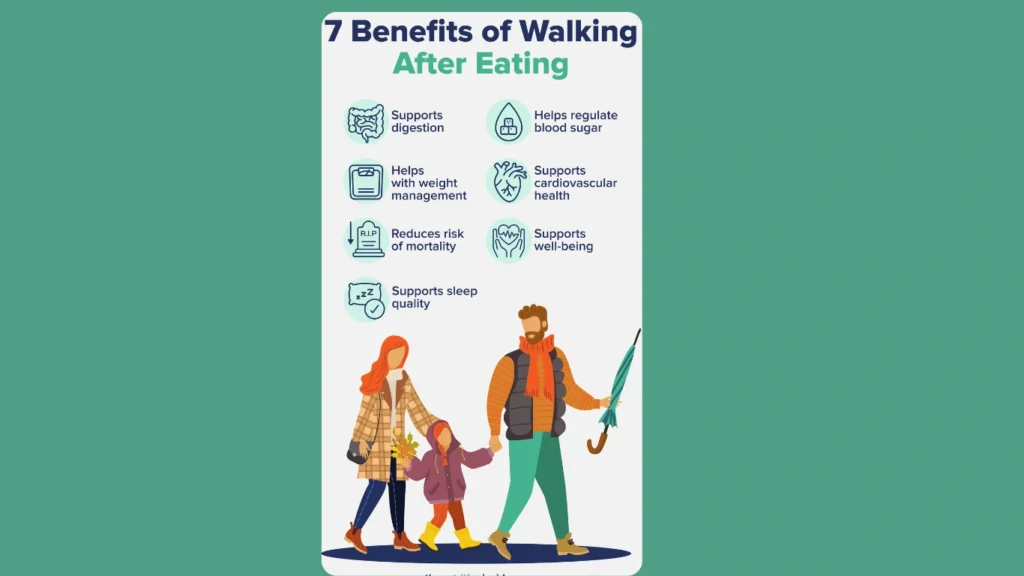
Based on my experience, walking tips after dinner to lower blood sugar don’t require speed, sweat, or intensity. The goal is movement, not exercise.
Read Also: Walking Tips After Dinner to Lower Blood Sugar
Slow, relaxed walking keeps digestion comfortable while activating glucose absorption. This makes it one of the most effective habits for people who struggle with night-time spikes and high fasting sugar.
Best Time to Walk After Dinner for Morning Sugar Balance
Timing matters. Walking immediately after eating can cause bloating or discomfort. Waiting 15–20 minutes after dinner allows digestion to start while still preventing glucose buildup. This timing creates a perfect balance — digestion continues smoothly, and muscles start using glucose before it accumulates in the bloodstream.
How Night Walking Improves Fasting Blood Sugar
Night walking uses glucose when insulin sensitivity is naturally lower. By doing this, it reduces the amount of sugar circulating overnight. This directly improves fasting blood sugar readings in the morning. Over time, consistent night walking trains the body to handle glucose better, leading to more predictable and stable morning readings.
Simple Night Routine to Prevent Morning Blood Sugar Rise Naturally
When it comes to blood sugar, consistency beats intensity every single time. You don’t need extreme routines — you need repeatable ones.
Ideal Dinner Timing for Stable Morning Sugar
Eating dinner earlier gives your body enough time to process glucose before sleep. Late dinners shorten this window and increase the risk of overnight sugar buildup. Based on observation, earlier dinners are strongly linked with better fasting sugar levels.
What to Eat & What to Avoid at Night
At night, lighter meals work best. Low-GI carbs, balanced protein, and fiber slow digestion and prevent sharp glucose release. Heavy, refined, or sugar-rich foods do the opposite. The goal is not restriction, but smart selection.
Also Read: Why Blood Sugar Rises After Eating Fruits at Night
Sleep, Stress & Cortisol Effect on Fasting Sugar
Poor sleep raises cortisol, and cortisol raises blood sugar. Stress at night keeps the nervous system alert, which signals the liver to release glucose. Calm nights create calm mornings — this connection is stronger than most people realize.
Natural Ways to Lower Morning Blood Sugar Without Medication
Lifestyle support matters just as much as diet.
Apple Cider Vinegar, Cinnamon & Herbal Support
Research shows certain natural ingredients may support insulin sensitivity and digestion. Used correctly, they can help smooth post-meal glucose response at night.
Breathing & Stress Control Before Bed
Deep breathing lowers stress hormones and helps the body shift into recovery mode. This reduces unnecessary glucose release during sleep.
Supplements That Support Night-Time Glucose Balance

Some supplements are designed to support night-time glucose handling. This is where options like Gluco6 naturally fit into routines focused on long-term balance rather than quick fixes.
When Morning Blood Sugar Is a Warning Sign
Patterns matter more than single readings.
Normal vs Dangerous Morning Sugar Levels
Occasional spikes happen. But consistent fasting blood sugar high in morning signals insulin resistance or poor night-time glucose control.
When to Consult a Doctor
If lifestyle changes don’t improve readings over time, professional medical guidance is essential.
Final Thoughts – How to Stop Morning Blood Sugar Rise Naturally for Life
Based on my experience, the biggest realization is simple: Fix your nights, and mornings fix themselves. This pillar article works together with
supporting guides:
- why blood sugar rises after eating fruits at night
- how to reduce blood sugar spike after rice meals
- best after-meal habits for stable blood sugar
- walking tips after dinner to lower blood sugar
Together, they form a complete system — not short-term tricks, but sustainable, real-life blood sugar control.
FAQs
Q1. What does morning blood sugar rise mean?
Morning blood sugar rise means having high glucose levels after waking up, even before eating anything.
Q2. Why is fasting blood sugar high in the morning?
Fasting blood sugar is high due to overnight liver glucose release, hormonal changes, and low insulin sensitivity.
Q3. Can night-time habits affect morning blood sugar?
Yes, late eating, lack of movement, poor sleep, and stress at night directly raise morning blood sugar levels.
Q4. Does walking after dinner help control morning blood sugar?
Yes, walking after dinner helps muscles absorb glucose and reduces overnight sugar buildup.
Q5. Can morning blood sugar be lowered naturally without medication?
Yes, consistent after-meal habits, proper sleep, stress control, and light night activity can lower morning blood sugar naturally.
Disclaimer:
The information in this article is intended for general educational and informational purposes only and should not be taken as medical advice. For trusted guidance on blood glucose management and exercise, the American Diabetes Association recommends regular physical activity — including walking — as part of an overall diabetes care plan, noting that activities like walking can help lower blood glucose and improve insulin sensitivity when done consistently and safely.
4 thoughts on “How to Stop Morning Blood Sugar Rise Naturally (Complete Guide)”