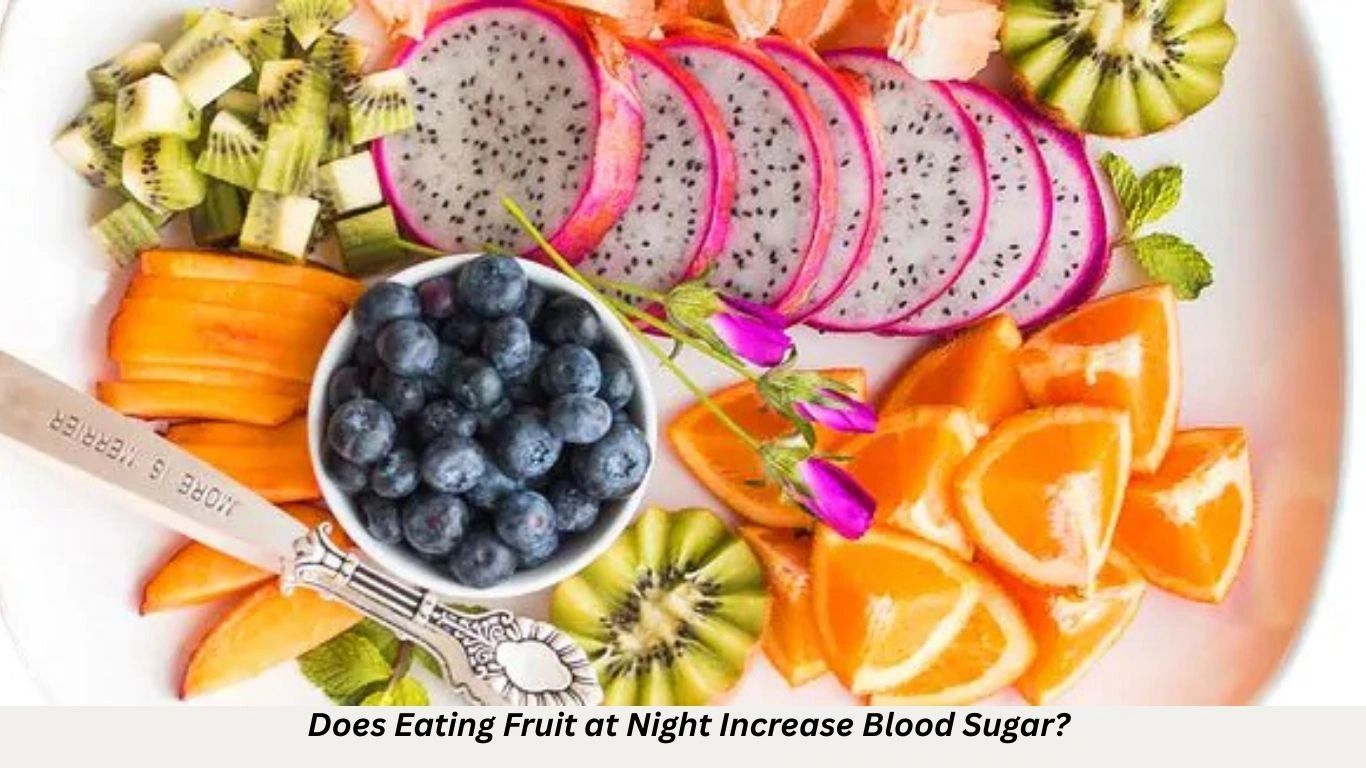
If you have ever eaten fruits at night and noticed your blood sugar rising higher than expected, you’re not imagining it. Many people feel confused because fruits are considered healthy, natural, and rich in nutrients. But the reality is that timing matters, especially when it comes to how your body processes sugar. In this article, I’m going to explain in a practical, human-to-human way why blood sugar rises after eating fruits at night, how your metabolism changes at night, which fruits raise your glucose, which fruits are safer, and what you can do to avoid night-time spikes. My goal is that by the time you finish reading, you will clearly understand your body’s response and know exactly how to manage it.
Does Eating Fruit at Night Increase Blood Sugar?

A very common question people ask—and maybe you have asked it too—is: does eating fruit at night increase blood sugar? The simple and honest answer is yes, it often does, and the reasons are deeper than just “fruit has sugar.” Your body behaves very differently at night compared to the daytime. The way your pancreas produces insulin, the way your digestive system slows down, and the way your muscles use glucose—all of these factors change after sunset.During the day, you are active. You walk, move around, do tasks, cook, work, talk, and naturally burn glucose. But at night, your body starts preparing for rest. This means your metabolism drops, your pancreatic activity slows, and your muscles stop using much glucose. So the same fruit that keeps your blood sugar stable at 2 PM can cause a spike at 9 PM.Another thing people don’t know is that insulin sensitivity reduces at night. Your cells don’t respond to insulin as effectively, so the glucose from fruits stays longer in your blood. This is one major reason why so many diabetics wake up with higher fasting sugar even when they think they “ate healthy” fruit at night.
How Your Body Processes Fruit Sugar After Sunset
Your body handles fruit differently at night because fruits contain fructose, which is processed mainly by the liver. During nighttime, the liver is already engaged in essential tasks like detoxification, repairing cells, regulating hormones, and maintaining blood levels. So when you suddenly overload it with fructose, it slows down the processing. The result? More glucose enters your bloodstream, and it stays there longer.The combination of lower insulin secretion, reduced insulin sensitivity, slow liver processing, and minimal physical movement creates the “perfect storm” that explains why blood sugar rises after eating fruits at night for so many people.
Role of Melatonin in Night-Time Glucose Spikes
Here’s another important but often ignored factor: melatonin. After sunset, melatonin levels rise naturally to help your body prepare for sleep. What most people don’t know is that melatonin temporarily suppresses insulin production. When insulin is low, the sugar from fruits cannot enter your cells properly.This means:High melatonin + fruit sugar = higher blood glucose.So, if you have prediabetes, diabetes, insulin resistance, or simply a slower metabolism, even a small bowl of fruits at night can raise your glucose much more than you expect.
Fruits That Raise Blood Sugar at Night
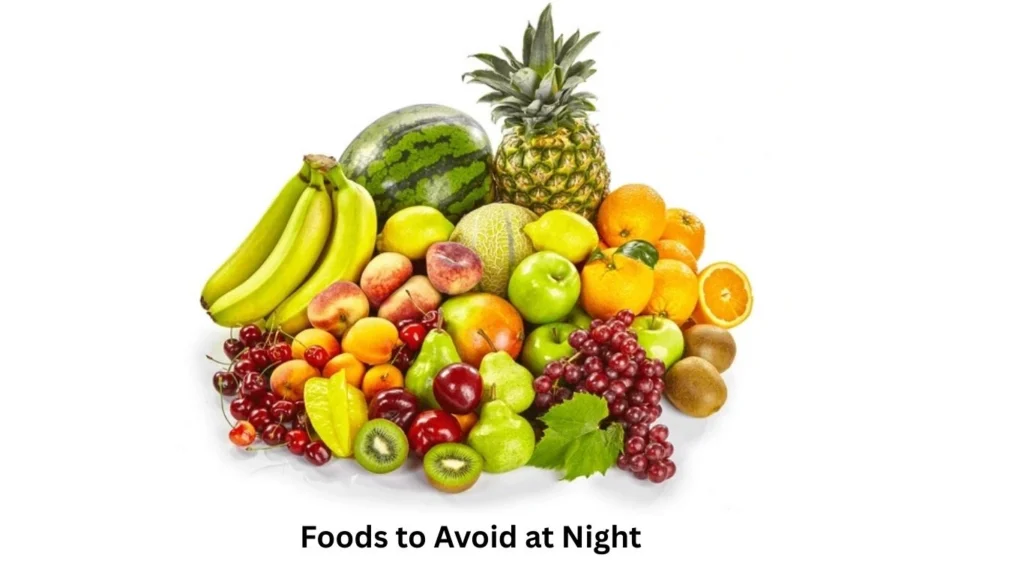
It is important to understand that not all fruits cause the same effect. Some fruits naturally raise blood sugar faster because of their high glycemic index (GI), fast digestion, and higher sugar concentration. Knowing fruits that raise blood sugar at night can help you avoid unnecessary spikes and choose better options.
High-GI Fruits to Avoid Before Bed

These fruits digest quickly and release glucose rapidly into your bloodstream. At night, this effect becomes even more significant.
Some fruits you should avoid eating before bed include:
- Mango
- Pineapple
- Watermelon
- Grapes
- Ripe bananas
- Lychee
- Cherries
All these fruits contain high amounts of natural sugar and very little fiber compared to their sugar load. Because your body’s metabolism is slow at night, these fruits cause quick and sharp increases in blood sugar. Many diabetics have reported that avoiding these high-GI fruits in the evening helped their morning sugar stay more stable.
Why Certain Fruits Cause Faster Spikes at Night
The science is simple: high-GI fruits contain simple sugars that digest quickly. At night, when your digestive system is already slow, these sugars enter the bloodstream even faster than usual. And because your insulin response is weaker at night, the glucose stays high for longer.This is exactly why fruits that raise blood sugar at night should ideally be eaten earlier in the day. Your body can burn the sugar efficiently when you are awake and active, making daytime the best time for high-sugar fruits.
Best Fruits for Diabetics at Night
The good news is that if you really want to eat fruits at night—maybe due to cravings, routine, or nutritional needs—you can still do it safely by choosing the best fruits for diabetics at night. These fruits have lower sugar content, more fiber, and a slower digestion rate, which helps prevent night-time glucose spikes.
The good news is that if you really want to eat fruits at night—maybe due to cravings, routine, or nutritional needs—you can still do it safely by choosing the best fruits for diabetics at night. These fruits have lower sugar content, more fiber, and a slower digestion rate, which helps prevent night-time glucose spikes.
Low-GI Fruits That Support Stable Blood Sugar
Here are some fruits that are safer for night-time consumption:
- Apple (with skin)
- Pear
- Papaya
- Guava
- Berries (strawberry, blueberry, blackberry)
- Kiwi
- Avocado (extremely low sugar)
These fruits digest slowly and release glucose gradually, which helps maintain stable glucose levels. They also provide essential nutrients like fiber, vitamins, antioxidants, and minerals that support overall health.
Ideal Portion Sizes for Night-Time Snacking
Even low-GI fruits can raise blood sugar if eaten in large amounts. Portion control is extremely important at night because your metabolism is slower.
A few ideal serving sizes include:
- Apple: half or a small-sized apple
- Papaya: 1 small bowl
- Guava: 1 medium
- Berries: half a cup
- Kiwi: 1 piece
- Avocado: half
Controlling portions is a simple way to avoid unexpected sugar spikes while still enjoying fruits without guilt.
How to Prevent Blood Sugar Spikes at Night
Now, let’s talk about the most practical part—how to prevent blood sugar spikes at night, even if you enjoy fruits. Here are simple, actionable tips you can start implementing from today itself.
Smart Eating Habits Before Bed
These habits help prevent glucose overload at night:
- Avoid fruits within 1–2 hours of sleeping.
- Do not mix fruits with dinner or other heavy foods.
- Never eat fruits immediately after dinner.
- Avoid high-GI fruits after sunset.
- Choose fruits that are rich in fiber and low in sugar.
Following these habits ensures that your digestive system and liver are not overloaded at night.
Pairing Fruits With Protein or Fiber
A very effective strategy to prevent glucose spikes is to pair fruits with protein or healthy fats. This slows digestion and stabilizes sugar release.
Here are some smart combinations:
- Apple with peanut butter
- Berries with Greek yogurt
- Papaya with chia seeds
- Guava with a handful of almonds
- Kiwi with flaxseeds
These combinations reduce the sugar absorption speed and help maintain smoother blood sugar levels at night.
Lifestyle Habits to Control Night-Time Glucose Levels
Your overall lifestyle plays a big role in night-time glucose management. Even small changes can make a noticeable difference.
- Take a 10–15 minute walk after dinner.
- Avoid eating sweet or high-carb foods after 8 PM.
- Drink enough water; dehydration can raise sugar levels.
- Follow a consistent sleep schedule.
- Reduce late-night stress, which increases cortisol and affects sugar levels.
These simple habits can reduce the chances of night-time glucose spikes significantly.
Final Thoughts on Why Blood Sugar Rises After Eating Fruits at Night
To conclude, understanding why blood sugar rises after eating fruits at night helps you make smarter food choices. Fruits are healthy, but timing, type of fruit, portion size, and your body’s night-time hormonal patterns all affect how your blood sugar responds.
When you understand does eating fruit at night increase blood sugar, identify fruits that raise blood sugar at night, choose the best fruits for diabetics at night, and follow tips on how to prevent blood sugar spikes at night, you gain full control over your glucose levels without giving up fruits completely.
User Doubts & Practical Answers About Blood Sugar Rising After Eating Fruits at Night
Why does blood sugar rise after eating fruits at night?
Because your metabolism slows down at night, insulin sensitivity drops, and this causes higher blood sugar rises after eating fruits at night.
Does eating fruit at night increase blood sugar even in healthy people?
Yes, even healthy people may experience a rise because nighttime insulin response is naturally lower.
Which fruits raise blood sugar at night the most?
Fruits that raise blood sugar at night include mango, grapes, pineapple, and watermelon.
Are there best fruits for diabetics at night?
Yes—apples, guava, papaya, kiwi, berries, and avocado are considered the best fruits for diabetics at night.
Does timing really affect how fruits impact blood sugar?
Absolutely. Nighttime digestion is slower, so sugar stays longer in the bloodstream.
Why do high-GI fruits cause faster night spikes?
High-GI fruits digest quickly and release sugar rapidly, which leads to faster spikes when eaten at night.
Can melatonin affect why blood sugar rises after eating fruits at night?
Yes, melatonin reduces insulin production, contributing to higher glucose levels.
Does eating fruit after dinner increase blood sugar more?
Yes, because combining dinner carbs with fruit sugar makes digestion even slower and raises glucose further.
How can I prevent blood sugar spikes at night after eating fruit?
Choose low-GI fruits, control portions, and pair fruits with protein or fiber.
Does eating fruit before bed increase fasting sugar?
For many people, yes—eating fruit before bed can increase fasting sugar the next morning.
Are fruits safe for diabetics at night if portions are controlled?
Yes, when portion sizes are small and fruits are low-GI, they can be safe.
Are berries good for lowering night-time glucose spikes?
Yes, berries digest slowly and help avoid blood sugar rises at night.
Which fruits should diabetics avoid at night?
Avoid mango, ripe banana, pineapple, lychee, and grapes because they increase blood sugar quickly.
Does fruit sugar behave differently than processed sugar at night?
Yes, but even fruit sugar can raise blood sugar sharply due to slow nighttime metabolism.
How can diabetics safely enjoy fruits without worrying about night-time spikes?
Eat fruits earlier in the day, pick the best fruits for diabetics at night, and avoid high-GI fruits after sunset.
Also Read: How to Stop Morning Blood Sugar Rise Naturally (Complete Guide)
1️⃣ Why does blood sugar increase more when fruits are eaten at night?
At night, metabolism and insulin sensitivity naturally slow down, so fruit sugar stays longer in the bloodstream and causes higher glucose levels.
2️⃣ Can eating fruit at night raise blood sugar even if someone is healthy?
Yes, even healthy people may notice a sugar rise because the body’s insulin response is weaker during nighttime hours.
3️⃣ Which fruits are most likely to cause blood sugar spikes at night?
High-GI fruits like mango, grapes, pineapple, watermelon, and ripe banana digest quickly and can raise blood sugar faster at night.
4️⃣ What are the safest fruits for diabetics to eat at night?
Low-GI fruits such as apples, guava, kiwi, berries, papaya, and avocado are safer options when eaten in controlled portions.
5️⃣ How can blood sugar spikes be prevented when eating fruit at night?
Choose low-GI fruits, keep portions small, and pair fruit with protein or fiber to slow down sugar absorption.
Disclaimer:
The information shared here is intended solely for general awareness and educational purposes. It should not be considered a substitute for professional medical advice, diagnosis, or treatment. While this content may refer to general health guidelines from trusted organizations, it may not be suitable for your specific health needs. Please consult a licensed healthcare professional before making decisions related to medication, supplements, diet, or diabetes care.
References used for general knowledge include:
- World Health Organization (WHO)
- Centers for Disease Control and Prevention (CDC)
- American Diabetes Association (ADA)
Everyone’s health journey is unique, and results may vary. By accessing or using this information, you acknowledge that the creator or publisher is not responsible for any outcomes or decisions made based on this content.
2 thoughts on “Why Blood Sugar Rises After Eating Fruits at Night”