
Managing your blood sugar doesn’t always have to feel complicated or scary. In fact, many people don’t realize that the body responds beautifully when we support it with natural ways to stabilize blood sugar levels. And if you’ve ever wondered why your blood sugar suddenly gets high, or why it rises in the morning, or even after eating, you’re definitely not alone. These things happen to almost everyone — but the good news is, your daily habits can make a huge difference.
Before jumping to medication, it’s worth understanding that your body wants balance. It wants steady energy, stable glucose, and a calmer internal environment. And often, small and simple lifestyle changes can create that balance. That’s exactly what this article is about — practical, science-backed, natural ways to stabilize blood sugar levels that you can start applying today, no matter your age or health background.
Think of this as a conversation between two people — one who has struggled with sugar spikes, confusing morning highs, or those “why is my blood sugar suddenly high?” moments… and another person who has learned what truly works in real life.
Here, we’re not just listing generic tips. We’re focusing on what genuinely helps: the foods that stabilize sugar, the habits that prevent spikes, and the daily routines that support better insulin sensitivity. You will also see how certain foods spike blood sugar fast, why blood sugar sometimes goes up after exercise, and what actually helps bring it down naturally.
By the time you finish reading, you’ll feel more confident — like you finally understand your body better. And most importantly, you’ll be equipped with natural ways to stabilize blood sugar levels that support long-term health, steady energy, and a calmer mind.
Let’s get started with the first natural strategy…
Why Blood Sugar Suddenly Gets High?
If you’ve ever checked your glucose and wondered, “Why is my blood sugar suddenly high?” — you’re not alone. This happens to so many people, even those who eat healthy or don’t have diabetes. And the frustrating part is that the spike often feels random. One moment you’re fine, and the next moment your meter shows a number that makes you panic.
But here’s the truth: blood sugar doesn’t rise “suddenly” without a reason. The body always has a story to tell — through hormones, food choices, sleep, stress, or even small habits you don’t think about. Once you understand these triggers, the question “why blood sugar suddenly high?” becomes much clearer, and you begin to feel more in control instead of confused.
Let’s look at the most common situations where blood sugar rises unexpectedly.
Common Reasons for Blood Sugar 140 After Eating
Many people worry when they see blood sugar 140 after eating, but the reality is that this number can happen for several normal reasons. After meals, especially those containing carbs, the body breaks down food into glucose. That glucose enters the bloodstream, which naturally makes your sugar rise.
Now, why does this sometimes jump higher than expected?
Often, it happens when:
- The meal had hidden sugars or refined carbs.
- You ate too quickly.
- You were stressed or anxious before eating.
- You didn’t pair carbs with protein or healthy fats.
- You ate a bigger portion than usual.
All these contribute to that confusing moment of “why blood sugar suddenly high after a meal?” But the good news is that with small habit tweaks — like slowing down, choosing whole foods, or balancing your plate — these spikes become less frequent.
Why Blood Sugar Is High in the Morning (Dawn Phenomenon)
One of the most common reasons people panic is waking up with blood sugar in the morning high, even if they ate light the night before. This feels unfair, right?
This happens due to something called the Dawn Phenomenon. Early in the morning, your body releases hormones (like cortisol, adrenaline, and growth hormone) to prepare you to wake up. These hormones naturally increase glucose production in the liver. So even when you’re sleeping peacefully, your body is busy raising sugar to give you morning energy.
This is why many people ask, “Why is my blood sugar suddenly high in the morning when I didn’t even eat?”
The answer is: your body did it on purpose — not because you made a mistake.
Things like poor sleep, late-night eating, or high stress can make the morning spike even higher. But understanding this pattern helps you stop worrying and instead focus on gentle lifestyle adjustments.
Supplements to Lower Blood Sugar Naturally
Why Blood Sugar Goes Up After Exercise
It surprises many people to see blood sugar go up after exercise, because we’re always told exercise lowers sugar. And usually, it does — but not always instantly.
Here’s why:
Certain workouts — especially high-intensity or fast-paced exercise — trigger your body to release stress hormones. When this happens, your liver quickly sends extra glucose into your bloodstream to give you more energy for the workout. This is the body’s natural survival system kicking in.
So if you check your meter right after a workout and see a spike, you may again feel that question rising: “why blood sugar suddenly high even though I exercised?”
Don’t worry — this is completely normal. Once your body calms down, blood sugar often drops naturally on its own. In fact, regular exercise improves insulin sensitivity over time, meaning your sugars become more stable in the long run.
Foods That Stabilize Sugar Levels Naturally
When it comes to controlling blood sugar without medication, food is your biggest superpower. In fact, some of the most effective foods that stabilize sugar levels naturally are simple, affordable ingredients you may already have in your kitchen. These foods work with your body — not against it — helping your glucose rise slowly, stay steady longer, and avoid those sudden spikes that make you feel tired, dizzy, or anxious.
What makes these foods special is their ability to digest slowly, provide long-lasting energy, and support better insulin sensitivity. Once you understand which ingredients support your body and which ones sabotage it, everything becomes easier. You don’t have to diet, starve, or give up your favorite meals. Instead, you learn how to build your plate with foods that stabilize sugar levels naturally, so your body stays calm and balanced throughout the day.
Let’s explore the best choices, starting with vegetables — your safest and most powerful friends when it comes to blood sugar.
Vegetables for Blood Sugar Control
When people talk about vegetables for blood sugar control, they’re usually referring to non-starchy vegetables — the ones that are low in calories but rich in fiber, minerals, and antioxidants. These veggies slow down digestion, prevent glucose spikes, and help your body maintain steady levels throughout the day.
Here are the top ones:
Leafy greens (spinach, kale, methi)

These are high in magnesium, which supports insulin function.
Broccoli & cauliflower

Rich in sulforaphane, a compound proven to help regulate glucose naturally.
Cucumber & bottle gourd

Extremely hydrating and gentle on the digestive system.
Bell peppers, tomatoes, zucchini
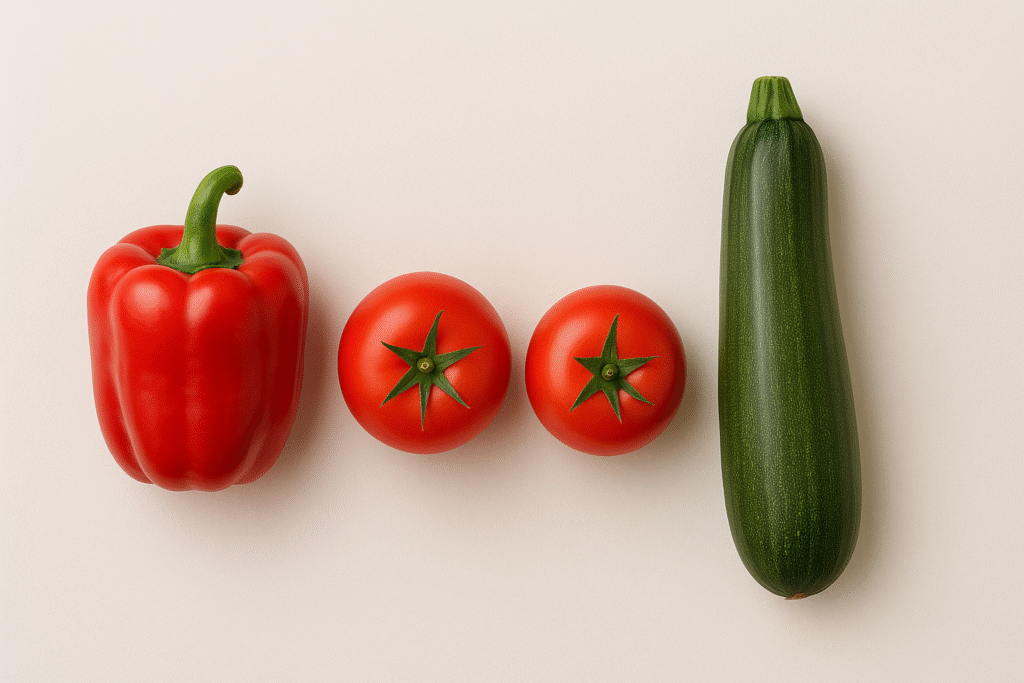
Low-carb, high-antioxidant vegetables that support stable energy levels.
What makes these vegetables powerful is their fiber. Fiber slows down the release of glucose into your blood — which is exactly what you want. And when you pair these veggies with foods that stabilize sugar levels naturally (like proteins or healthy fats), the effect becomes even stronger.
The beauty is: you don’t have to eat bland or boring meals. You can sauté, grill, roast, or include them in soups, salads, and curries.
To build a complete routine, diet, and supplement plan, check the Blood Sugar Management Guide
Foods That Spike Blood Sugar Fast (Avoid List)
Just as some foods support you, others push your glucose levels up very quickly. These foods that spike blood sugar fast are what cause sudden highs, energy crashes, cravings, and fatigue. Most of the time, people don’t even realize they’re eating something harmful — because these foods are common, easily available, and often marketed as “healthy.”
Here are the foods that cause rapid sugar spikes:
White bread, white rice, naan, maida-based foods
These digest extremely fast and convert into sugar almost immediately.
Sugary drinks (cola, packaged juice, energy drinks)
Liquid sugar hits your bloodstream faster than solid food.
Sweetened breakfast items (cornflakes, biscuits, flavored yogurt)
Often sold as “light” or “healthy,” but they spike sugar instantly.
Sweets, chocolates, cakes, pastries
High sugar + high fat = a combination that causes long-lasting spikes.
Fried snacks like samosas, kachoris, French fries
Carbs + deep-frying leads to delayed but very high spikes.
When you remove or reduce these foods that spike blood sugar fast, your body gets a chance to recover, stabilize, and start responding better to the foods that stabilize sugar levels naturally.
When Blood Sugar Gets Too High: What to Do If Sugar Reaches 300
Seeing your glucose meter flash a number like 300 can instantly create panic. And honestly, that reaction is natural. A reading this high means your body is struggling, and you need to take action calmly and wisely. Many people search for “what to do if sugar 300” because they don’t want to make the situation worse by reacting in fear. The first thing to understand is this: a high reading doesn’t mean you’ve failed. It simply means your body needs support right now.
When your sugar hits 300, the most important step is to stay hydrated. Water helps your kidneys flush out excess glucose, and it supports your body’s natural attempt to bring levels back down. If you’re feeling dehydrated, dizzy, or very thirsty, these are signs that your body is trying to handle the spike on its own. Drinking water slowly and consistently can help.
Another key step when asking “what to do if sugar 300” is to avoid eating anything sugary or high in carbs until your numbers settle. This may sound obvious, but many people panic and start eating because they confuse high sugar symptoms with low sugar symptoms. That’s why staying calm and checking your meter again after some time is important. Light movement, like gentle walking, can also help some people — but only if you’re feeling stable and not experiencing severe symptoms.
If your meter continues to show high numbers, or if this is happening frequently, the real question becomes not just “what to do if sugar 300 right now,” but “why is this happening repeatedly?” That’s where medical guidance becomes extremely important. A healthcare professional can help evaluate whether this spike is temporary, related to food, stress, illness, or something deeper. And if you ever experience vomiting, confusion, or trouble breathing along with sugar near 300, that’s a sign to seek urgent medical help.
Remember, high readings can happen to anyone — but knowing what to do if sugar 300 gives you power and confidence instead of fear.
And if you ever need quick relief, here’s how to lower blood sugar fast at home
Symptoms of Insulin Resistance in Women
Understanding symptoms of insulin resistance women is incredibly important, because this condition often appears silently long before blood sugar tests start showing abnormal numbers. Many women deal with fatigue, weight changes, cravings, or hormonal imbalance without realizing that the underlying issue may be insulin resistance. When the cells in the body stop responding well to insulin, glucose cannot enter efficiently — and that leads to high blood sugar over time.
One of the most common symptoms of insulin resistance women experience is stubborn weight gain, especially around the belly area. No matter how much they cut calories or exercise, the weight doesn’t seem to move. This happens because high insulin levels signal the body to store more fat. Another early sign is fatigue — not the kind caused by lack of sleep, but the kind where you feel drained even after eating. The body is struggling to use glucose properly, which creates unstable energy levels.
Another powerful indicator is intense sugar or carb cravings. Many women wonder why they constantly crave sweets, bread, or snacks, even when they are not hungry. This is the body’s way of coping with unstable glucose. Skin changes are also common. Dark, velvety patches around the neck, underarms, or groin — a condition called acanthosis nigricans — can be a major sign of symptoms of insulin resistance women often overlook.
Hormonal changes also show up strongly in women. Irregular periods, symptoms similar to PCOS, difficulty losing weight, and even mood swings can reflect insulin problems. Many women think these issues are just “normal,” but they are often linked to metabolic health. Another common signal is frequent hunger, even after large meals. When insulin is not working properly, the brain thinks the body is starving, creating false hunger signals.
The most important thing to understand is that symptoms of insulin resistance women appear gradually. They rarely come all at once. That’s why paying attention to your body matters. If you notice multiple symptoms — such as cravings, stubborn weight, irregular cycles, fatigue, or dark skin patches — it may be your body’s way of asking for support. Lifestyle changes can make a huge difference, and early awareness can prevent future complications.
User Doubts & Practical Answers
What are the best natural ways to stabilize blood sugar levels?
Eating high-fiber foods, regular walking, staying hydrated, stress control, and avoiding sugary foods help stabilize blood sugar naturally.
Why does blood sugar suddenly get high even without eating?
Hormones, stress, poor sleep, dehydration, or the liver releasing extra glucose can raise blood sugar suddenly.
Is blood sugar 140 after eating normal?
Yes, for many people 140 after a meal is common. It usually happens due to carbs, quick eating, or hidden sugars in food.
Why is my blood sugar high in the morning?
This happens due to the Dawn Phenomenon, where early-morning hormones naturally raise glucose to give you energy.
Why does my blood sugar go up after exercise?
High-intensity workouts release stress hormones that push stored glucose into the blood, causing a temporary spike.
Which foods stabilize sugar levels naturally?
Leafy greens, broccoli, cauliflower, cucumber, bottle gourd, eggs, nuts, and high-fiber whole foods help stabilize sugar.
Which foods spike blood sugar fast?
White bread, white rice, sugary drinks, sweets, fried snacks, and packaged cereals quickly raise glucose levels.
What should I do if my blood sugar reaches 300?
Stay hydrated, avoid carbs, rest, check again after some time, and seek medical help if symptoms worsen.
What are symptoms of insulin resistance in women?
Belly fat, fatigue, sugar cravings, irregular cycles, dark neck patches, and difficulty losing weight are common signs.
10. How can I prevent sudden blood sugar spikes naturally?
Eat balanced meals, add protein, walk after eating, sleep well, manage stress, and reduce refined carbs.
Also Read: For instant-action foods, see the list of foods that lower blood sugar immediately
1️⃣ What are the best natural ways to stabilize blood sugar levels?
Eating high-fiber foods, staying hydrated, regular walking, stress control, and avoiding sugary or refined foods help stabilize blood sugar naturally.
2️⃣ Why does blood sugar suddenly rise even without eating?
Blood sugar can rise due to stress, hormonal changes, poor sleep, dehydration, or the liver releasing stored glucose into the bloodstream.
3️⃣ Is blood sugar around 140 normal after eating?
For many people, blood sugar around 140 after meals is common and usually linked to carbohydrate intake or eating too quickly.
4️⃣ Why is blood sugar high in the morning?
Morning blood sugar can be high due to the Dawn Phenomenon, where early-morning hormones trigger glucose release for energy.
5️⃣ Which foods help stabilize blood sugar naturally?
Leafy greens, nuts, eggs, broccoli, cucumber, bottle gourd, and fiber-rich whole foods help maintain stable sugar levels.
Disclaimer:
The information shared here is intended solely for general awareness and educational purposes. It should not be considered a substitute for professional medical advice, diagnosis, or treatment. While this content may refer to general health guidelines from trusted organizations, it may not be suitable for your specific health needs. Please consult a licensed healthcare professional before making decisions related to medication, supplements, diet, or diabetes care.
References used for general knowledge include:
- World Health Organization (WHO)
- Centers for Disease Control and Prevention (CDC)
- American Diabetes Association (ADA)
Everyone’s health journey is unique, and results may vary. By accessing or using this information, you acknowledge that the creator or publisher is not responsible for any outcomes or decisions made based on this content.
5 thoughts on “15 Natural Ways to Stabilize Blood Sugar Levels (Without Medication)”